Reviews
Matching nonalcoholic aperitif styles to five buyer types
A nonalcoholic aperitifs comparison, buyer by buyer: bitterness tolerance, sulfite declarations, live versus pasteurized products, and serve formats.
Nonalcoholic aperitifs are drinks with a job: sharpen the appetite before a meal without filling anyone up. That job explains the whole style. Bitterness, acidity and low sweetness are not aesthetic preferences here, they are the specification. Choosing well means matching that specification to the person drinking.
What to take away
- Bitterness tolerance varies more than any other preference, so start there rather than with brand or price.
- Products built from dealcoholized wine carry a sulfite declaration when levels reach a set threshold.
- Pasteurized and live fermented products suit different buyers, and the difference is a safety question for some.
- Serve format matters as much as the liquid. A concentrate and a ready to drink can are different purchases.
Sort buyers before sorting bottles
What suits them
- New to bitterness
- Citrus led, lightly bitter, served long
- Wants a wine substitute
- Dealcoholized wine based aperitifs
- Wants low sugar
- Dry bitters and savory styles
- Cooking at home
- Concentrates that stretch
- Buying for a group
- Ready to drink, chilled
What to avoid
- New to bitterness
- Root heavy amaro style products
- Wants a wine substitute
- Botanical spirits meant to be diluted
- Wants low sugar
- Fruit forward ready to drink cans
- Cooking at home
- Single serve formats
- Buying for a group
- Anything needing a specific ratio
Start from the row, not from the shelf. Most disappointing first purchases in this category come from buying a well reviewed bottle that answers a different question. Which format a row points to — a bottle, a concentrate or a can — is the next step, set out in our notes on comparing zero proof formats before you buy.
Bottles that fit each row
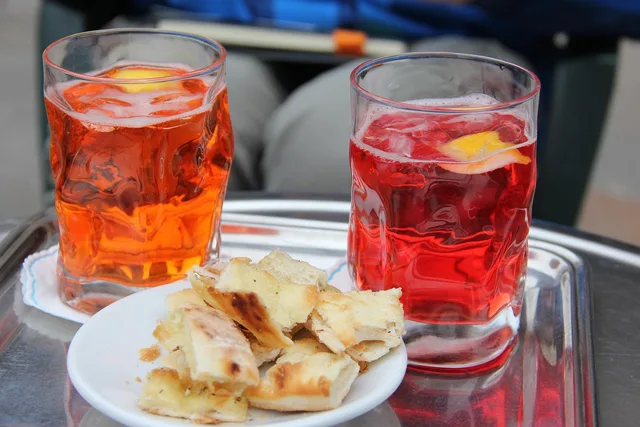
- New to bitterness:Crodino and Sanbittèr, the Italian nonalcoholic bitters served long over ice, with Crodino the orange-led one and Sanbittèr the redder, more herbal pour; Lyre's Italian Spritz does the same job with more fizz.
- Wants a wine substitute:alcohol-removed bottlings from FRE and Ariel Vineyards, or Lyre's Aperitif Rosso when the pour should read vermouth-style.
- Wants low sugar:a distilled botanical such as Seedlip mixed long with soda, or a dry, savory vermouth-style pour; mix your own and you decide how sweet it lands.
- Cooking at home:a dry, mixable bottle such as Lyre's Aperitif Rosso rather than a single-serve can; it covers a pan sauce and a long drink alike.
- Buying for a group:canned, ready to drink aperitifs such as St. Agrestis Phony Negroni, chilled and opened.
Root-led, amaro-style bottles such as Ghia are the ones to grow into, not to start with.
Match buyer to bottle
Buyer
- New to bitterness
- Citrus led, lightly bitter
- Wants wine substitute
- Dealcoholized wine based
- Wants low sugar
- Dry bitters, savory
- Cooking at home
- Concentrates that stretch
- Buying for a group
- Ready to drink, chilled
Suits them
- New to bitterness
- Root heavy amaro
- Wants wine substitute
- Botanical spirits to dilute
- Wants low sugar
- Fruit forward RTD cans
- Cooking at home
- Single serve formats
- Buying for a group
- Anything needing a ratio
Avoid
- New to bitterness
- Wants wine substitute
- Wants low sugar
- Cooking at home
- Buying for a group
The sulfite line matters to some buyers
Aperitifs made from dealcoholized wine inherit wine's labeling rules. The requirement sits in 27 CFR 4.32(e). TTB's guidance on the declaration of sulfites says the statement is required when sulfur dioxide or a sulfiting agent is detected at 10 or more parts per million, measured as total sulfur dioxide.
Sulfite declaration threshold
10 ppm
Required when detected at or above this level
Measured as total sulfur dioxide
Type size at least 2 mm over 187 ml
That rule exists because some people are sensitive to sulfites. Type size rules are specified too: at least 2 mm on containers larger than 187 ml.
For a buyer who avoids sulfites, that declaration is the fastest filter on the shelf. For everyone else it is simply information about how the product was preserved.
Pasteurized or live
Some aperitif style products are fermented and sold live, while others are heat treated.
In the glass, the difference is a shifting, slightly changing flavor rather than a fixed one, and it also affects how the bottle has to be stored and how quickly it should be finished once open.
It also matters more to some buyers than others. CDC's page on safer food choices states the principle plainly. It lists pasteurized beverages as safer and names groups where this weighs more: adults 65 and older, children under five, people with weakened immune systems, and people who are pregnant.
A shelf that mixes live and pasteurized products without saying which is which helps no one.
Buy for the serve you will actually make
A dry bitter concentrate is excellent value if you own soda water and ice. Without them, it is a poor purchase.
Decide the serve first. For a tall glass with soda on a warm evening, almost any competent bitter works; start at the dilution the bottle prints and lengthen the pour to taste. For a small measure poured neat before dinner, the bottle must be good enough to stand alone, so taste it neat before you commit it to a spritz.
Product types are described in more detail in our beginner's guide to aperitif styles, and what the back label will and will not tell you is covered in reading an aperitif label.
Common questions
Is bitterness something people get used to?
Do these products need to be served before a meal?
Is a dealcoholized wine aperitif closer to wine or to a spirit?
How do I pick a first bottle?
In this guide
- Five pairings worth serving before a meal with nonalcoholic aperitifsAperitif hour pairings for nonalcoholic bitters: what to serve before a meal, what works outdoors, and how to keep the food safe while it sits out.
- Nonalcoholic aperitifs labels: color and ingredient cluesNonalcoholic aperitifs labels: color disclosures, food allergen labeling, and what ingredient order can suggest about a drink's flavor.
- Subscription boxes featuring nonalcoholic aperitifs in plain terms for 2027How to judge a nonalcoholic aperitif subscription: what the curation is worth, what shipping costs hide, and which marketing words carry no meaning.
- Constructing a nonalcoholic aperitif flight along a bitterness ladderBuild an aperitif flight along a bitterness ladder: fixing the dilution, spacing the steps, and handling live fermented products in the lineup.
- Who actually makes each nonalcoholic aperitif type, and how can you tell?Five nonalcoholic aperitif types explained by construction rather than brand, with what each tastes like and what its label is likely to say.