Industry
A small zero proof bar's juice program: what to settle first
Before a small zero proof bar adds fresh juice: the delivery schedule, which side of the juice HACCP line it sits on, four daily records, and the inspector.

Section
Industry
Before a small zero proof bar adds fresh juice: the delivery schedule, which side of the juice HACCP line it sits on, four daily records, and the inspector.
Industry
A framework for zero proof hospitality case studies: assess scope, owner labor, recurring costs, regulatory context, food-safety assumptions, and stated limits.
Industry
A look at four equipment shifts for alcohol free bars: cheaper measuring tools, dismantlable designs, standard carbonation, and the appliances to skip.
Industry
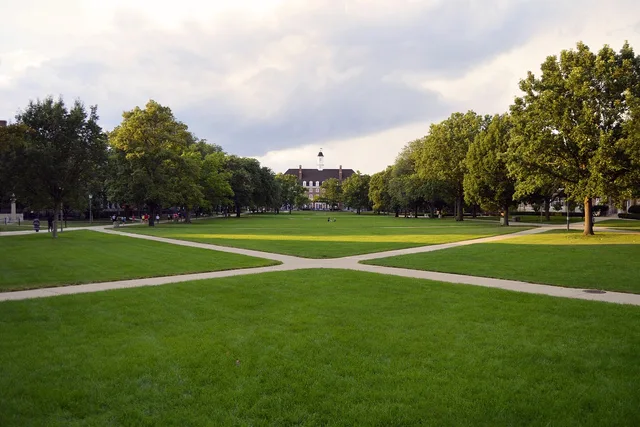
A field method for alcohol-free bar demand on US college campuses: size the reachable student pool, check campus rules, and test term and menu signals.
Industry
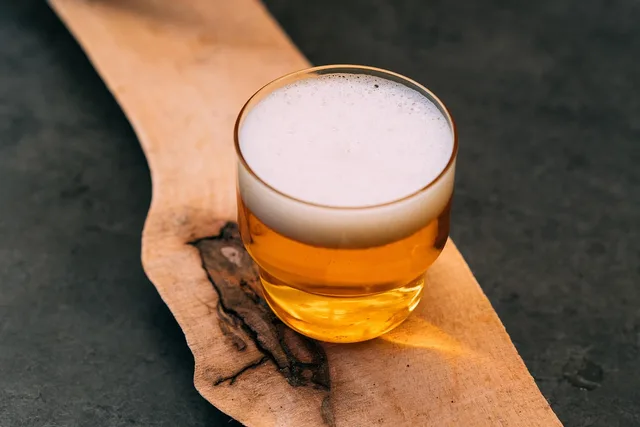
A nonalcoholic beer taste test compares IPA, lager and stout by bitterness, body and aroma, and explains how blind panels control a flight.
Industry
Nonalcoholic stout drinks fuller than IPA because grain bill, residual sugar, lower carbonation and smaller foam bubbles change body, foam and pour mechanics.
Industry
US hotel minibars restock zero-proof drinks faster than bars: par levels, scan routes, shrinkage, brand-approval lists, plus TTB and FDA label rules.
Industry
Zero-proof drinks college towns can be explored through enrollment, campus rules, licensing, and retail checks, but these signals are not sales data.
Industry
Zero proof drinks in hotels: how guest minibars are stocked and restocked, how par levels are set, and the menu rules that sell alcohol-free serves.
Industry
Five archetypes behind zero proof beverage brands, what each is reliably good at, and the weakness each one tends to show in its second product.
Industry
An overview of alcohol-free bar licensing states: how California, Texas and New York regulate alcohol activity and local approvals for sober venues.
Industry
Exporting Canadian zero-proof drinks to the US means CFIA labels, TTB and FDA rules, customs entry, USMCA duty and state registration steps.
Industry
TTB labeling rules zero-proof drinks cover alcohol statements, FDA ingredient lists, formula filings, COLAs, and state ABC registration for US producers.
Industry
Thirteen patterns that explain how zero proof beverage brands behave, why they reformulate quietly, and what a brand name on a bottle actually guarantees.
Industry
Trade buying mistakes in alcohol free drinks: over-listing, unpriced labor, missing supplier paperwork, food safety risk, and staff who cannot sell the product.
Industry
Zero proof menu design trends here include allergen disclosures, shorter shared-base lists, bar-prep procedures and food-safety data.
Industry
Alcohol free bars brands: four venue models, from pop-ups to maker tasting rooms, with the strengths and operational weak points of each.
Industry
Botanical drink ideas trends: four trade considerations, with floral, herbal and savory flavor builds plus notes on claims, hemp testing and concentrates.
Industry
How independent makers produce zero proof beverages: bench trials, scaling, co-packing, carbonation, shelf-life checks and the labeling rules that follow.
Industry
Zero proof drinks makers can use dealcoholization, botanical extraction or compounding; formula rules, juice processing and shelf stability shape production.
Industry
Pricing zero proof beverages in trade: what the missing excise does not give back, how to cost a serve, and which menu words carry legal meaning.
Industry
Zero proof drinks businesses and their buyers weigh shelf turnover, bar consistency, waste, storage, staff training, and the food-safety rules that apply.
Industry
Five nonalcoholic aperitif types explained by construction rather than brand, with what each tastes like and what its label is likely to say.