Costs
Part of Building a zero proof menu: six stages from concept to print
Zero proof menu design: the four tiers, explained
The zero proof menu design price comparison is the tier ladder: what goes in each glass, where batching pays off, and the words a menu can and can't use.
Ask three venues in one city what a zero proof drink costs and the answers will span a factor of four. That range is where any zero proof menu design price comparison starts. It is not arbitrary: each price point corresponds to a different amount of prep, a different bottle cost and a different level of attention, and a guest can usually tell which one they are getting.
What to take away
- The lowest tier is usually juice and soda, served with a garnish and full service labor.
- The middle tier is where batching makes the numbers work.
- The top tier is paying for attention, not for ingredients.
- Menu wording travels beyond the menu, and some of it is regulated language.
What each tier actually contains
What is in the glass
- Low
- Juice, soda, a garnish
- Middle
- A batched base, fresh acid, a good mixer
- Upper middle
- Bought bottle plus house components
- Top
- Multi step build, made to order
What the venue is spending
- Low
- Almost nothing, but full service labor
- Middle
- Prep time amortized across a week
- Upper middle
- Bottle cost and a longer build
- Top
- A bartender's full attention for minutes
Here is what actually falls into each tier, from the bottom of the menu up.
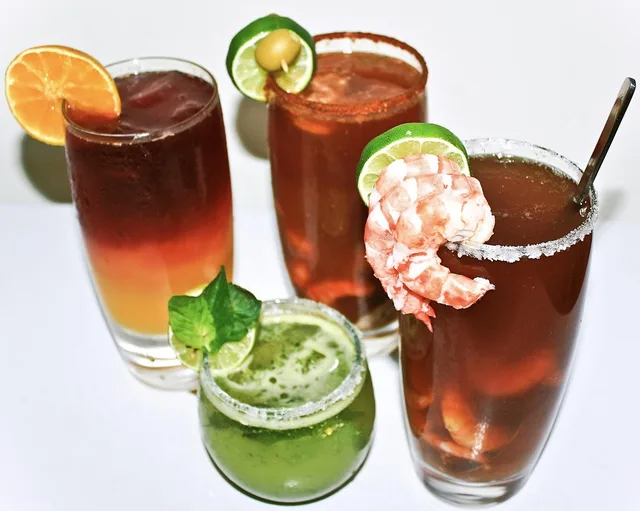
- Low:a bottled soda or juice poured over ice, with a citrus wedge or a mint sprig. The venue spends on the bottle, the garnish and a full round of service labor.
- Middle:a base batched in the morning — a spiced tea concentrate, a citrus cordial or a vinegar-based shrub — stretched with a mixer such as soda water, tonic or ginger beer.
- Upper middle:a bought zero proof bottle, such as a distilled botanical like Seedlip or a non-alcoholic spirit like Lyre's, plus house components: a syrup, a fresh acid and a garnish.
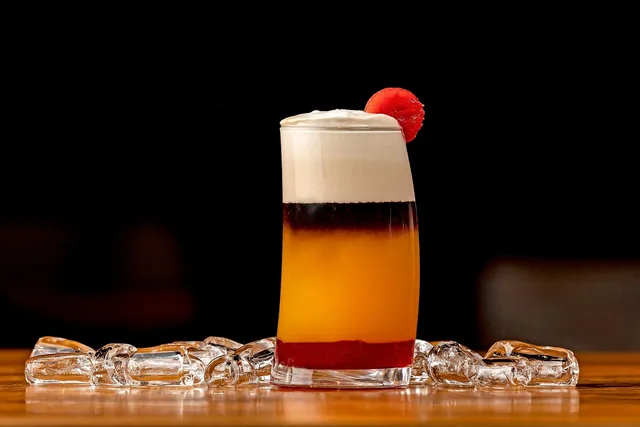
- Top:a multi-step build with several house components, juice pressed to order, and a garnish made in house.
The counterintuitive line comes first. A four dollar juice and soda still occupies a bartender, a glass, ice, a garnish and a wash cycle.
What Each Tier Contains
Low
- In the glass
- Juice, soda, garnish
- Venue spending
- Almost nothing, full labor
- Profitability
- Often least profitable
Middle
- In the glass
- Batched base, fresh acid
- Venue spending
- Prep time amortized weekly
- Profitability
- Consistent, labor moved off service
Upper middle
- In the glass
- Bought bottle, house components
- Venue spending
- Bottle cost, longer build
- Profitability
- Higher cost, higher price
Top
- In the glass
- Multi step, made to order
- Venue spending
- Bartender's full attention
- Profitability
- Highest price, highest labor
Once those are counted, the cheapest drink on the menu is rarely the cheapest one to make. Ice alone is a purchased food, not a rounding error, and the second half of a drink is where the rest of the spending sits.
Batching is what makes the middle tier work
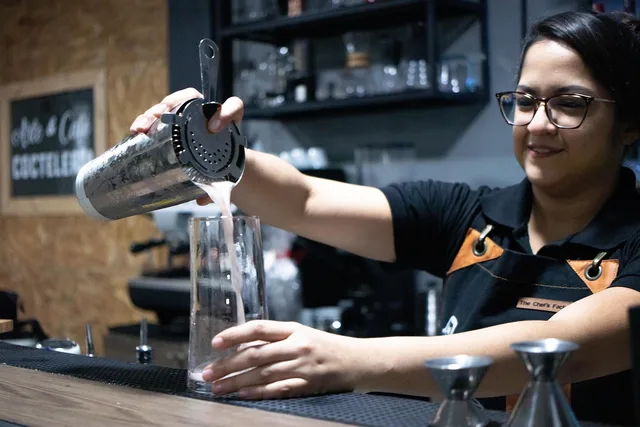
Between those extremes, the economics come from preparing components once and using them all week. That moves labor out of service and into a quiet morning, and it makes consistency possible.
Batching and Cut Produce Safety
- Prepare components once for the week
- Move labor to a quiet morning
- Cut leafy greens need temperature control
- Cutting damages waxy cuticle, exposes fluid
- Cold storage and written procedure required
It also introduces handling rules for the fresh components, and FDA's recommendations on temperature control for cut leafy greens explain why cut produce differs from whole produce. The 2009 Food Code lists cut leafy greens as a food requiring time and temperature control for safety.
Cutting damages the waxy cuticle and exposes internal fluid and nutrients, creating a medium that supports pathogen growth when held without temperature control.
Cut herbs and cut citrus behave the same way. Batching saves money. It does not save the operator from cold storage and a written procedure.
Price tiers and the words on the menu
A higher price invites a bigger description, and bigger descriptions get riskier. TTB's consumer facing page on alcohol beverage labeling and advertising explains the purpose behind the rules for labels and advertising. Those rules cover wine at 7 percent alcohol by volume or more, distilled spirits and malt beverages.
They aim to prevent deception, give consumers adequate information about identity and quality, prohibit false or misleading statements, and provide information about alcohol content. The same principle runs through subscription copy and any other place a drink is described to a guest.
Not every zero proof product falls under those rules. The underlying principle still applies to a menu, because a menu description is a representation about a product, and the safe version describes taste and ingredients rather than effect or provenance you cannot evidence.
Setting the ladder
Price the tiers so the gaps are visible. Two drinks a dollar apart teach a guest nothing. Three to five dollars between tiers makes the ladder legible and moves people up it.
See our menu design walkthrough for how the stages of a menu come together, and our budgeting guide for the wider cost picture.