Reviews
Part of Building a zero proof menu: six stages from concept to print
Blind vs timed vs rushed: three ways to test a zero proof menu draft
A method for testing zero proof menu drafts away from service: blind comparison, a service run at speed, and the health policy checks to build in.
Menu drafts get tested at eleven in the morning by the person who invented them, in an empty bar, with unlimited time. Then they meet a Friday. The gap between those two conditions is where most menu failures live, and closing it takes a deliberate test rather than a tasting.
What to take away
- Test the drink and the build separately. A great recipe that cannot be made in ninety seconds is not a menu item.
- Compare blind. Authorship is the strongest bias in the room.
- Run a timed service simulation before printing anything.
- Build the staff health and hygiene checks into the test, not into a later memo.
Round one: taste blind
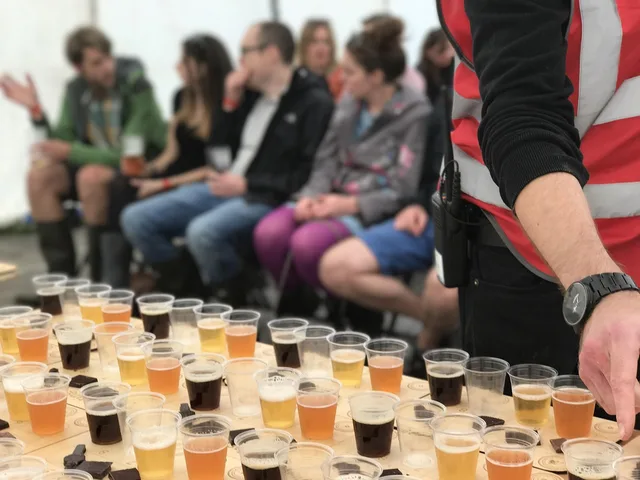
Make each candidate twice, pour them without labels, and score them with at least three people who did not create them. Score on balance, distinctiveness and whether the drink is obviously worth its intended price. What a guest actually gets at each price point is set out in our notes on the tiers behind a zero proof list.
Blind tasting round rules
- Make each candidate twice
- Pour without labels
- Three or more outside scorers
- Fix glass, ice, dilution
- Include one existing menu drink
- Score in silence, then discuss
- Discard anything below the control
Round two: build it against a clock
Now stop tasting and start timing. Have someone who did not develop the drink make it from the written spec, with no verbal help. Time it. Then make four of them in a row.
Timed build test sequence
- Someone else reads the written spec
- Make it once, timed
- Make four in a row
- Watch for unfollowable spec steps
- Watch for two-handed steps
- Watch for slow garnish
- Watch for components that run out
This round kills more drinks than the tasting does, and it kills the right ones. Look for a spec that cannot be followed, a step that needs both hands and a third, a garnish that takes longer than the drink, and any component that runs out after four builds.
Round three: run it dirty
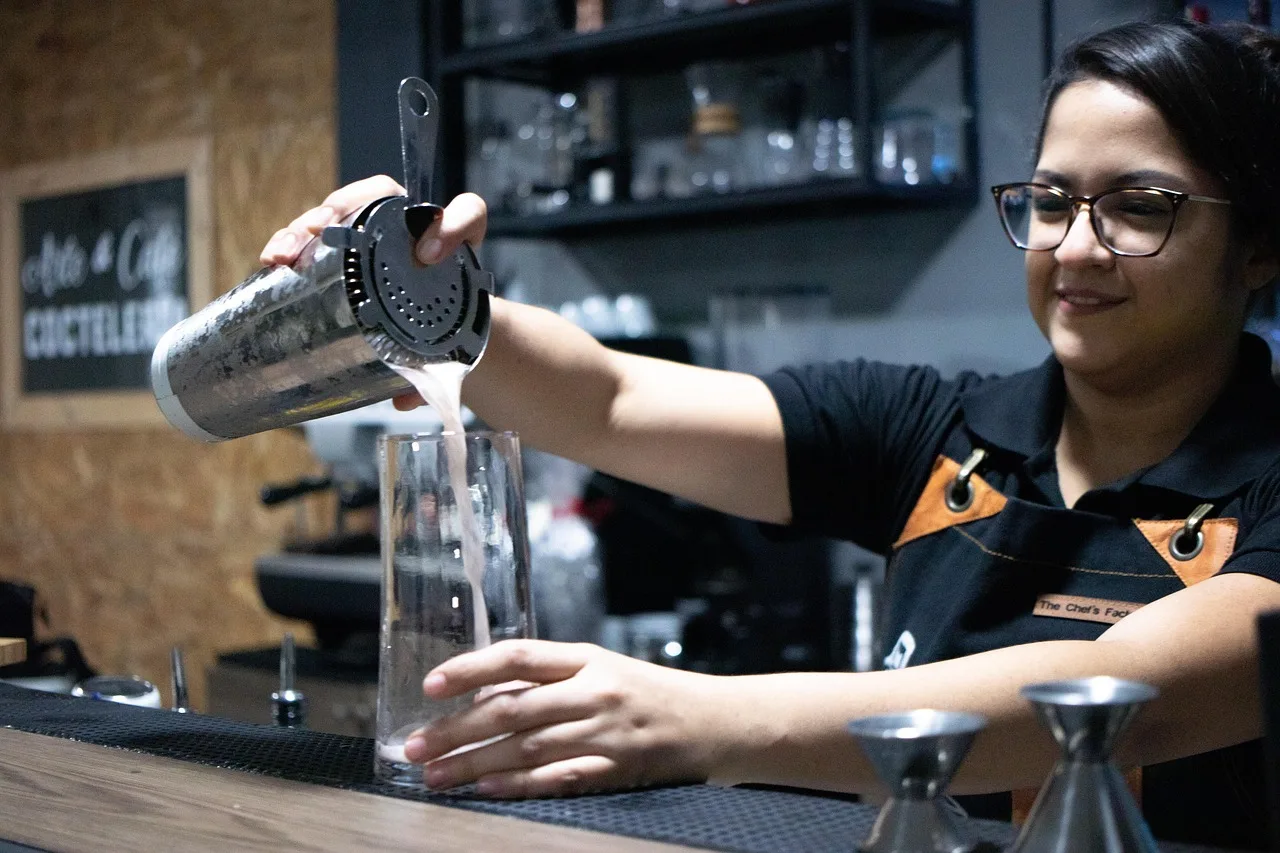
The last round is the honest one. Make the drink at speed, at the actual station, with the actual glassware, while someone else is making something different beside you. Note what gets skipped. Whatever gets skipped under mild pressure will be skipped every night.
Run this round with the person who is fastest on the bar, not the person who developed the drink. The developer knows which corners are safe to cut and will cut those.
Somebody working from the written spec at speed will cut whichever corner the spec made easiest to cut, which is the one you actually need to fix. The home version of the same bias problem, and how to blind against it, is in our comparison method for botanical drinks.
Build the health checks into the test
A new menu changes who touches what. FDA's employee health policy tool is designed for exactly this moment.
It walks a user through Food Code employee health restriction and exclusion requirements. Clickable pathways depend on the user's role and symptoms or diagnoses presented. It helps an operator write their own employee health policy and start the conversation with staff.
Doing that while a menu is still a draft is easier than retrofitting it once the drinks are live.
Borrow tools rather than inventing them
There is no reason to write everything from scratch. CDC collects tools from health department partners working on restaurant food safety. The collection includes environmental health investigation checklists and educational materials from state health departments, such as an infographic on cooling times and temperatures and posters on recognizing and responding to food allergy reactions.
A bar adding a prep heavy menu can lift a cooling chart and an allergy poster from that collection in an afternoon.
The design sequence sits in our menu walkthrough, and the structures worth testing are set out in six menu structures.