Industry
Part of Zero proof beverages cost: a budgeting framework to fill in
How independent makers produce zero proof beverages: from bench batch to a co-packed run
How independent makers produce zero proof beverages: bench trials, scaling, co-packing, carbonation, shelf-life checks and the labeling rules that follow.
Independent makers of zero proof beverages usually begin with a kitchen scale and a notebook, then end up standing in someone else's filling hall watching a run they paid for. This article covers that path: how to build a bench recipe that can be repeated, what changes when a batch is scaled, how to choose between co-packing and filling in house, how carbonation and packaging decisions are made, how shelf life is established, and which labeling rules apply to a drink that contains no alcohol.
Start at the bench: build a recipe that can be made twice
The first job is repetition, not flavor. A recipe that tastes good once but cannot be matched next month is not a product. Makers weigh botanicals, acids and sugars on a scale rather than measuring by volume, log temperatures and times, and keep a control bottle from each batch to compare against later.
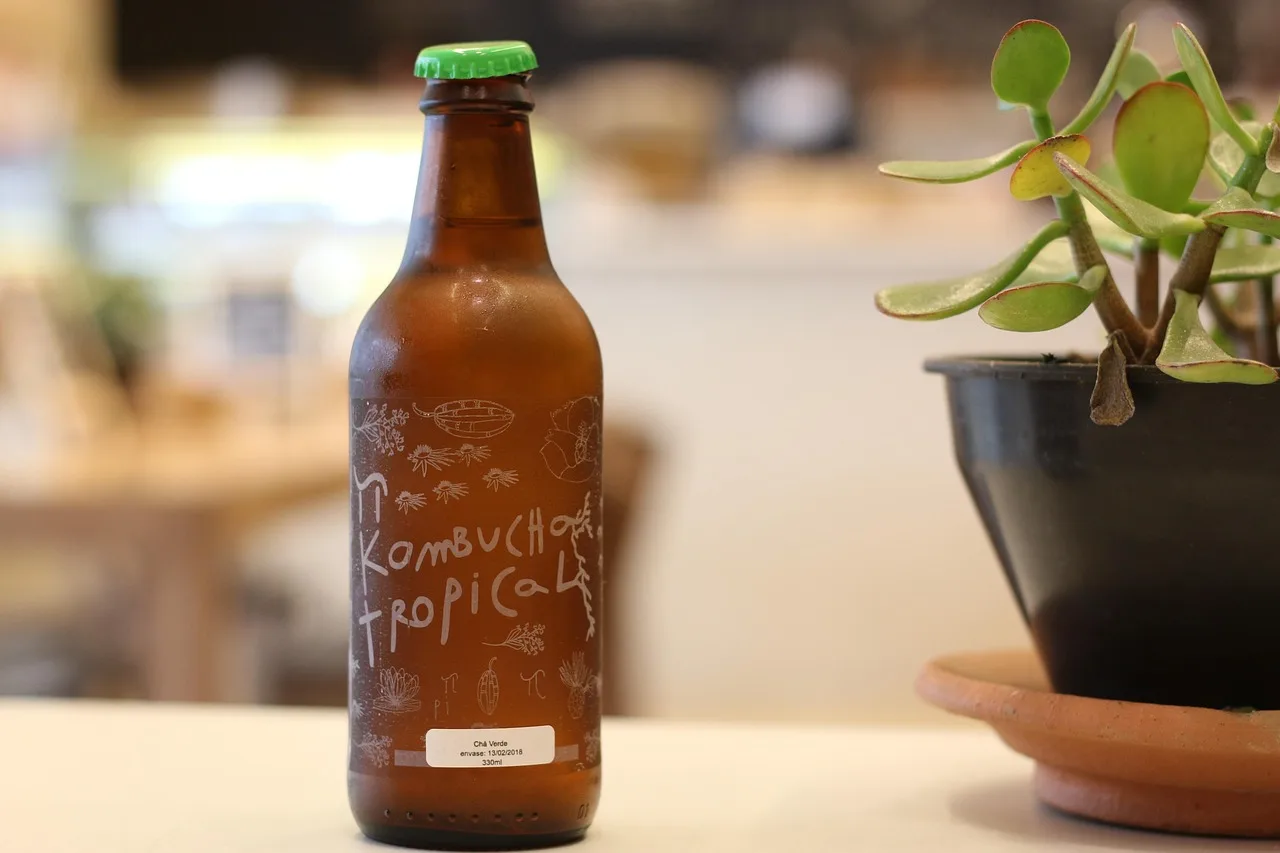
Zero proof drinks are usually built one of three ways. A compounded drink is assembled from juices, teas, extracts, acids and carbonated water, with no alcohol ever present. A botanical build steeps herbs, roots, citrus peel or spices in water, glycerin or vinegar, then filters the liquid. A fermented base — beer, wine or a cultured tea — is dealcoholized by vacuum distillation or reverse osmosis, or fermented so lightly that little alcohol forms in the first place.
The bench work is the same in every case: keep the recipe in grams and percentages, record the supplier and lot number of each ingredient, and taste against the control sample before changing anything.
Scaling up changes the process, not only the amounts
A bench trial and a production-scale batch behave differently. Extraction is the usual surprise. A larger mass of botanicals in a taller tank needs more agitation and more time to reach the same intensity, and a big volume changes temperature slowly, so a steep can over-extract. Makers adjust time and temperature rather than quantity alone.
Water matters more at scale. Municipal supply varies in mineral content, so many producers filter or treat it and check pH with a calibrated meter before blending; sugar is read with a refractometer or a hydrometer. Measurements the bench took by eye become instrument readings.
Ingredient specification sheets are worth collecting from the first order. They state what is actually in a concentrate, and they are the documents a co-packer, a flavor house or a label reviewer will ask for.
Co-packing, contract filling, or filling in house
A co-packer is the fastest route to volume, but the relationship works only once the formula is locked. Expect to supply a batch sheet listing every ingredient by weight and percentage, packaging specifications, and a sample of the finished drink. Ask early about minimum run size, allergen changeovers, whether the line runs carbonated products, and which certifications the plant holds.
Cost lines at small scale
Small run
- Ingredients
- Small share
- Glass and closure
- Large share
- Label printing
- Fixed setup
- Contract filling
- Per run
- Testing
- Mostly fixed
- Freight and storage
- Heavy
Large run
- Ingredients
- Volatile botanicals
- Glass and closure
- High minimums
- Label printing
- Punishes short runs
- Contract filling
- Expensive per unit
- Testing
- Same regardless
- Freight and storage
- Worse chilled
There are alternatives before committing to a full production run. A mobile canning or bottling line can come to a taproom or a shared kitchen for a single batch. Kegs suit a draft-only business and skip packaging altogether, which is one reason venues that take alcohol-free programs seriously often start there; the stocking logic is set out in how shops and bars choose zero proof beverages. Hand filling and capping still works for very small refrigerated runs.
Filling in house is possible, but it is a capital decision rather than a saving: equipment, floor space, water, sanitation and compliance obligations come with it.
Carbonation, closures and the format you choose
Format decides much of the rest of the process. Kegs need no label and no shelf presence. Cans chill quickly, protect the drink from light and travel well. Glass reads as premium but costs more to ship and breaks. What to look for when buying zero proof beverages covers the retail side of that choice.
Carbonation level changes how sweet and how bitter a drink tastes. A counter-pressure filler matched to the product's target carbonation keeps dissolved gas stable through filling, and dissolved oxygen picked up at the filler is a quiet cause of stale flavor in a can. Closures are chosen for the same reason: a liner that seals against the drink's acidity without tainting it.
Shelf life, food safety and testing
Shelf life is established by holding samples, not by hoping. Makers keep bottles at room temperature and at an elevated temperature to accelerate change, taste at intervals, and watch for separation, haze, lost carbonation and off-flavors. A control from the first batch anchors the comparison.
pH is the main safety control in a nonalcoholic drink, and it decides which rules apply. FDA's acidified foods regulation (21 CFR 114) covers low-acid foods acidified to a finished equilibrium pH of 4.6 or below and packed in hermetically sealed containers; products that remain above that pH fall under the low-acid canned food rules in 21 CFR 113. Facilities that manufacture, process, pack or hold food for the United States must register with FDA and renew that registration every other year.
Supplement or beverage?
What kind of product is this?
Liquid dietary supplement rules
Conventional beverage rules
Accredited laboratories confirm the nutrition panel, check for the allergens a recipe declares, and measure alcohol content when a maker wants to state that a drink is nonalcoholic. A laboratory result is also what a retailer or distributor will ask to see.
What the label must carry, and who regulates which part
A drink with no alcohol is labeled as a conventional food or beverage under FDA rules: a statement of identity, the net quantity of contents, an ingredient list in descending order by weight, any required allergen declaration, and a nutrition facts panel, with formats and exemptions set out in FDA's labeling regulations at 21 CFR 101.
TTB's label approval system covers a different category. Under the Federal Alcohol Administration Act, importers and bottlers of beverage alcohol must obtain certificates of label approval, or certificates of exemption from label approval, for most alcohol beverages before those products enter interstate commerce. A zero proof drink falls outside that requirement, but a maker who also produces a low-alcohol or partly dealcoholized line can find the product on the other side of the line; our notes on TTB labeling rules for zero proof drinks explain where the boundary sits.