Guides
Part of Planning an alcohol free bar: settle the model before you sign a lease
Building a tasting flight for an alcohol free bar: how many pours, what order
Designing a tasting flight for an alcohol free bar: how many pours, what order, comparing sugar fairly, and the staff training a new format needs.
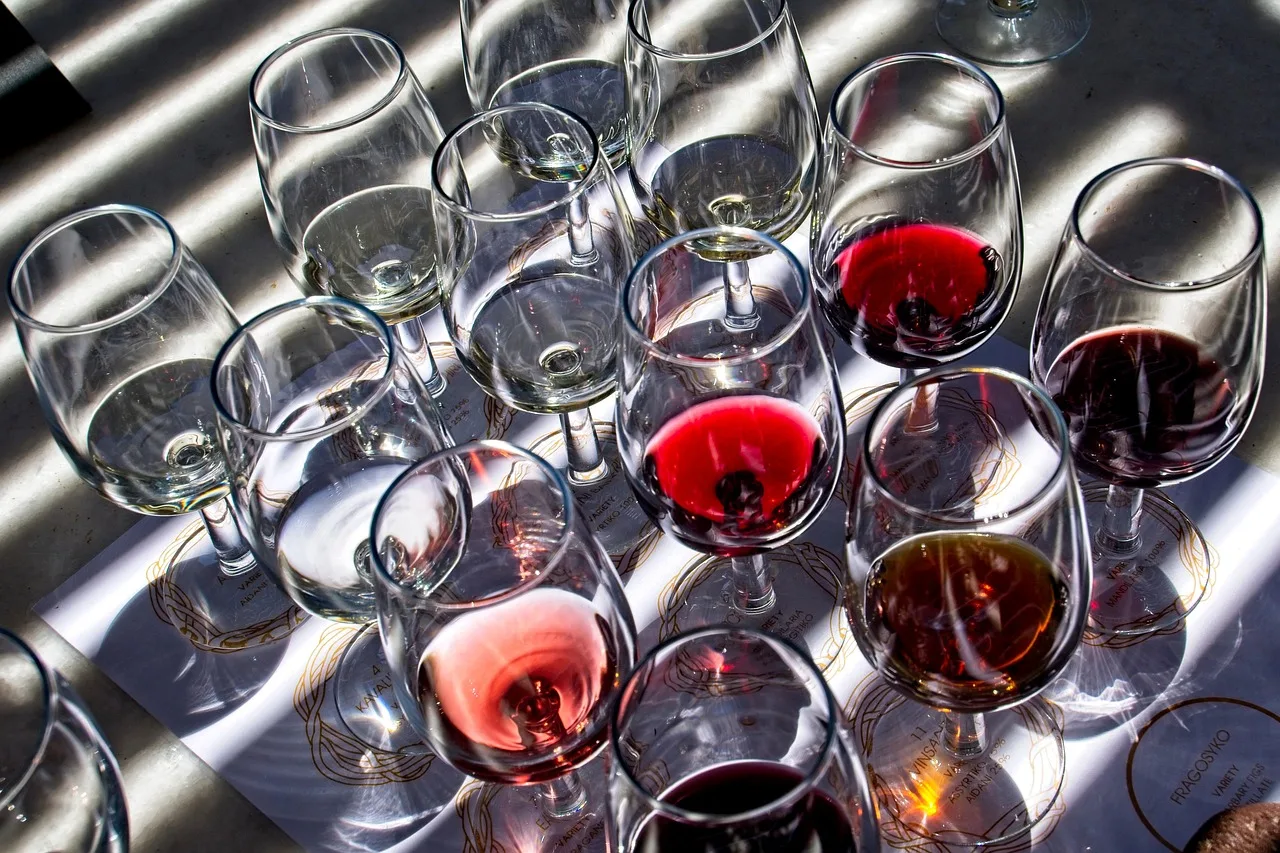
A flight is the cheapest teaching tool a venue has. Four small pours answer a question that a menu description cannot: what does this category actually taste like, and which end of it suits me. Built badly, it also does the opposite, and sends a guest away certain they dislike everything.
What to take away
- Four pours is the ceiling. Palate fatigue arrives faster without alcohol to slow the pace.
- Order by intensity, not by price, and always end on the most assertive pour.
- Compare sweetness deliberately, because added sugar is the largest single difference between products.
- A new service format needs a written procedure, not an explanation given once at a pre-shift.
Pick a question, then pick the pours
A flight should answer one question. A flight that answers three is a list. Useful questions include how bitterness changes a drink, what dealcoholization does to a familiar style, or how three different acids feel.
Print the question at the top of the card. It sounds fussy and it does two useful things: it tells the guest what to pay attention to, and it stops the flight quietly turning into a sampler of whatever needs selling. If the question cannot be written in one line, the flight is not ready.
Flight Setup Rules
- One axis, three or four pours
- 1.5 to 2 ounces per pour
- Water and plain palate cleanser
- Written card for guests
- Question printed on card
Order matters more than it does with wine
Without alcohol to carry length, each drink's finish is shorter and transitions are sharper. Go from least intense to most. Put heavily bitter or heavily carbonated drinks last.
Ordering the Pours
- Start with least intense drink
- Move toward most intense drink
- Separate close pours with least aromatic
- Put bitter or carbonated drinks last
- Serve everything at same temperature
If two pours are close in intensity, separate them with the least aromatic drink on the tray. For home, the same ordering rule is in our beginner's tasting notes.
Serve everything at the same temperature. A flight where one glass is fridge cold and another has warmed on the pass is not a comparison, it is an accident.
Use sugar as the comparison axis
Sweetness is where products in this category diverge most, so make it explicit. FDA's explanation of added sugars on the Nutrition Facts label draws the line clearly.
Added sugars include sugars added during processing, sugars packaged as sweeteners, sugars from syrups and honey, and sugars from concentrated fruit or vegetable juices. They exclude sugars naturally in milk, fruit, and vegetables.
The label also carries a Daily Value for added sugars of 50 grams based on a 2,000 calorie diet, while total sugars carry no Daily Value. Normalizing a panel figure to the serve you actually pour is the same move our notes on comparing formats recommend at the shelf.
For a flight card, that gives a fair way to state the difference. Report added sugars per serve from the supplier's own figures, at the pour size you are actually using.
Train the format, do not just explain it
A flight is a new procedure: four glasses, a set order, a card, and timing against the kitchen.
CDC's training resources for restaurant food safety are aimed at environmental health professionals. One detail is useful to any operator: the material defines 30 separate contributing factors behind foodborne illness outbreaks, and new formats introduce new steps where those factors appear.
Write the procedure down, including who washes the flight glassware and how the tray is handled.
Pairings turn a flight into a longer visit, which our pairing notes cover, and the format only works on top of the operating base set out in the planning guide.