Reviews
Part of Planning an alcohol free bar: settle the model before you sign a lease
Food pairings that fill the gap alcohol leaves at an alcohol free bar
Food pairing for alcohol free bars: which flavors fill the gap alcohol leaves, plus the produce and buffet handling rules behind a snack menu.
Pairing is the fastest way to make an unfamiliar drink list feel obvious. A guest who cannot picture what a bitter botanical aperitif is for will understand it immediately next to a plate of olives and salted almonds. The plate does the explaining.
What to take away
- Salt and fat rebuild the weight that alcohol used to supply, so pairings can run richer than they would with wine.
- Bitterness pairs with fat, acidity pairs with salt, and sweetness needs something savory opposite it.
- Raw produce garnishes carry handling requirements that a bar snack menu often ignores.
- Small plates replaced often beat large ones held out, in both flavor and safety terms.
Rebuild the body with the plate
Alcohol adds viscosity and warmth, and without it a drink can seem thin next to food. Two ingredients fix this from the plate, not the glass.
Fat and Salt Fix Thin Drinks
Fat
- Palate effect
- Coats palate
- Drink effect
- Gives cut-through
- Best with
- Fried food
Salt
- Palate effect
- Lifts aroma
- Drink effect
- Shortens sip gap
- Best with
- Cured fish
Fat coats the palate and gives the drink something to cut through, while salt lifts perceived aroma and shortens the gap between sips.
The aperitif hour runs on the same two ingredients, which our notes on pairing before a meal work through plate by plate.
That is why a lean, high acid alcohol free spritz works better with fried food, aged cheese or cured fish than with a delicate salad, which a conventional dry sparkling wine would handle comfortably. Producers are working the same problem from the bottle side, which our notes on the growth of savory and saline drinks cover.
Four pairings that carry the point
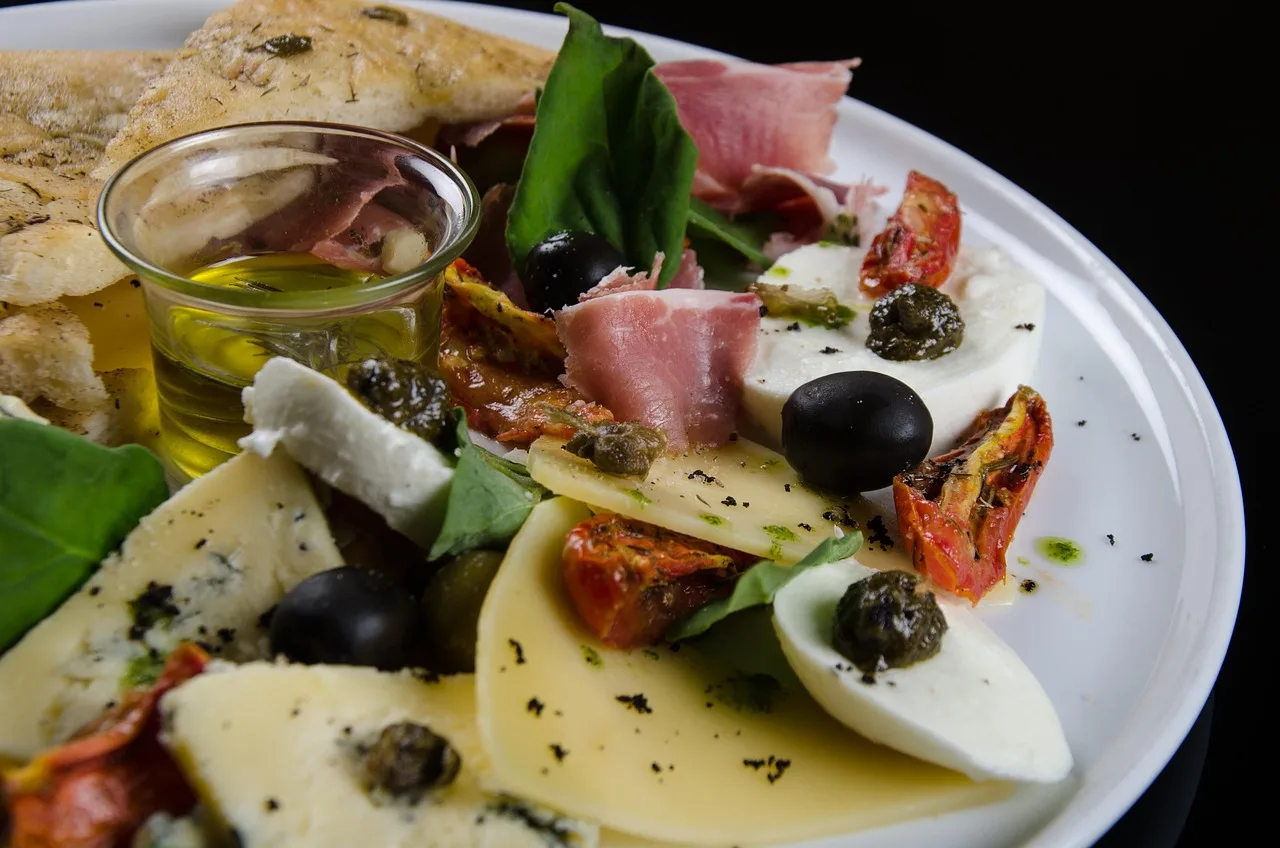
- A bitter aperitif with salted nuts, olives or fried chickpeas. The salt shortens the bitter finish and makes a second sip inevitable.
- A dealcoholized sparkling wine with something fried and hot. Carbonation and acid do the work that a rich beer would otherwise do.
- A botanical spirit with tonic alongside citrus dressed seafood. Juniper and quinine both like citrus.
- A tart shrub or vinegar drink with a fatty cheese board. Acid cuts fat as reliably here as anywhere else.
None of these needs an expensive bottle. The pairing logic works at every price level, which makes it a good way to introduce guests before they commit to a full flight.
Four Drink and Snack Pairings
Drink
- Bitter aperitif
- Salted nuts, olives, fried chickpeas
- Dealcoholized sparkling wine
- Something fried and hot
- Botanical spirit with tonic
- Citrus dressed seafood
- Tart shrub or vinegar drink
- Fatty cheese board
Snack
- Bitter aperitif
- Dealcoholized sparkling wine
- Botanical spirit with tonic
- Tart shrub or vinegar drink
Produce is where the risk sits
Most bar pairings lean on raw fruit and vegetables, in the food and in the garnish. FDA's guidance on selecting and serving produce safely explains why that deserves attention. Harmful bacteria in the soil or water where produce grows can contaminate fruit and vegetables. Contamination can also happen after harvest, during storage or preparation.
The same guidance singles out raw sprouts, which are grown in warm humid conditions that also suit bacterial growth, so a few organisms on a seed can reach high levels.
A bar that cuts citrus at four in the afternoon and serves it until close is doing preparation and storage, not decoration.
Holding a snack menu through a service
If pairings come from a shared table at an event, FDA's advice on safe buffets offers a workable pattern. Keep serving portions small and prepare several small platters in advance.
Swap in fresh platters through the evening, refrigerate cold back-up dishes, and never top up a large one. Keep hot food at 140 degrees Fahrenheit or above, checked with a thermometer, not by eye.
That approach suits pairing menus anyway. Small plates arrive at the right moment, and a swapped platter always looks better than a picked over one.
The wider operating picture sits in our planning guide for alcohol free venues, and pairings become a sellable format once they are built into the tasting flight structure.