Industry
Part of Reviewing nonalcoholic bar tools: strengths, gaps and a verdict
Nonalcoholic bar equipment: four shifts, three to follow and one to skip
A look at four equipment shifts for alcohol free bars: cheaper measuring tools, dismantlable designs, standard carbonation, and the appliances to skip.
Equipment trends are slower and more consequential than menu trends. A bottle changes a season, a piece of equipment changes how a bar works for years. Four shifts are visible now, and three of them are worth following.
What to take away
- Cheap measuring instruments have put laboratory style repeatability within reach of small bars.
- Manufacturers are starting to compete on how completely a tool comes apart.
- Carbonation has moved from a specialist item to a default one.
- The trend not worth following is single purpose appliances bought for one menu.
Precision instruments got cheap
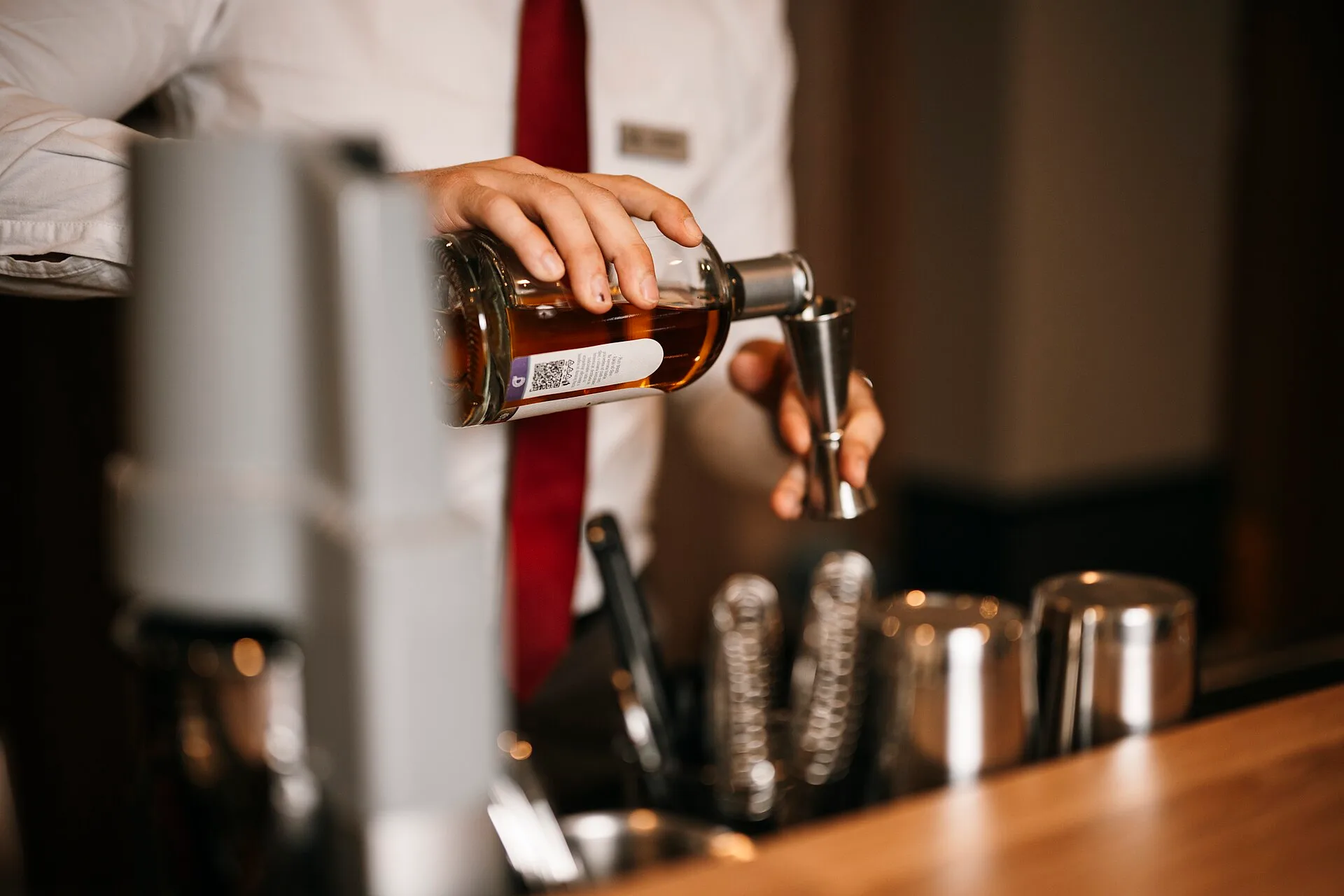
Refractometers, pH meters and 0.1 gram scales now cost less than a decent shaker. That has changed what a small bar can control. Sugar content and acidity can be measured rather than estimated, which makes a batch reproducible across staff and across months.
Regulated drinks producers have always had a version of this habit. TTB's guidance on formula approval with laboratory sample analysis describes the professional end.
Certain alcohol beverages require formula approval with laboratory sample analysis before production or import. They also require it before a producer or importer may apply for label approval. Samples go through the agency's online system.
Nobody is asking a bar to do that. The point is that measurement instead of estimation is the norm wherever consistency actually matters, and the instruments are no longer the barrier. Which kinds of business have already been through that approval step is set out in our notes on the five archetypes behind a bottle.
Design for dismantling
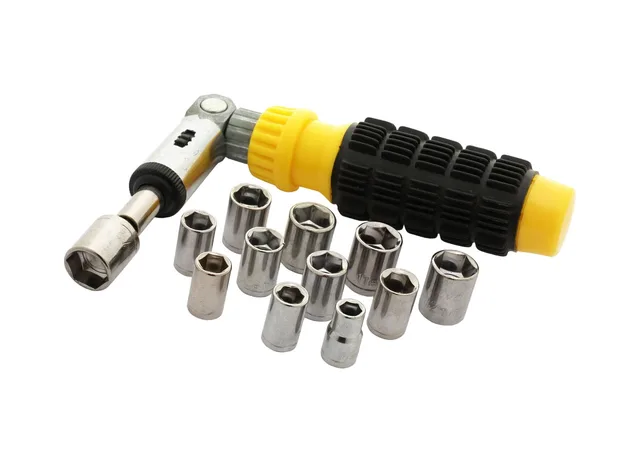
The second shift is in the equipment itself. Manufacturers have begun advertising how completely a tool comes apart, which was previously something you discovered after buying.
FDA's poster on keeping commercial deli slicers safe documents the same reasoning in adjacent equipment. Many seams between connected parts are sealed with sealants and gaskets. Heavy use and repeated cleaning wear those seals down until spaces trap debris and moisture.
Those areas cannot be adequately cleaned under normal conditions. Its blunt framing is that failure to clean and sanitize all surfaces can contaminate food.
Equipment designed to be taken apart is the direct answer to that, and it is becoming a selling point rather than an afterthought.
Carbonation became standard
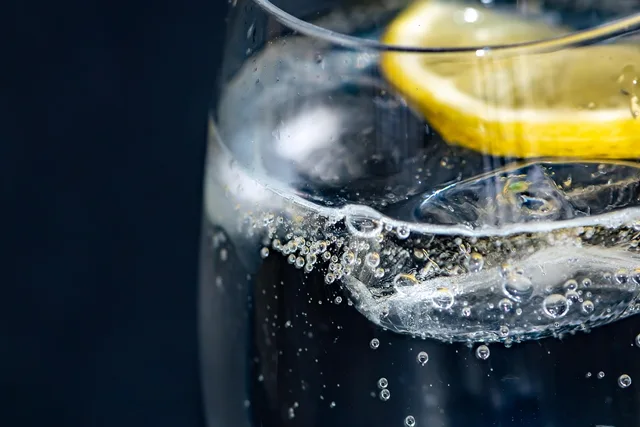
Five years ago a carbonation setup marked a serious program. Now it is close to a default, because long carbonated drinks are the most reliable format in the category and because the equipment has come down in price.
The buying question has moved with it. It is no longer whether to carbonate but how the head and lines are cleaned, and how quickly the system recovers between drinks.
The trend to ignore
Single purpose appliances bought for one menu. Smokers, foamers, novelty ice molds and specialist infusers all follow the same arc: bought for a launch, used for a season, stored. If a tool cannot be pointed at three drinks that will still be on the list next year, it is a prop.
The cost is not only the purchase. Each of these occupies counter space, adds a cleaning task that somebody has to own, and creates a drink that only one member of staff can make properly. When that person leaves, the drink leaves with them, and the appliance moves to a shelf where it stays.
Counting those three costs before buying is usually enough to settle the question. A timed build test finds the same drinks before they reach a printed menu, which our notes on testing a draft against a clock set out.
The core list is in our tools guide, and the parallel shift on the menu side is covered in menu design trends.