Industry
Part of 14 botanicals for alcohol free drinks, grouped by function rather than plant family
Botanical drink ideas trends: four trade considerations
Botanical drink ideas trends: four trade considerations, with floral, herbal and savory flavor builds plus notes on claims, hemp testing and concentrates.
Trend reporting in this category tends to describe flavors. This trade-focused look at botanical drink ideas trends focuses on flavor directions and the ingredients that shape a buyer's decision, not on sales rankings. Some ingredients bring regulatory weight with them, and some claims a distributor will refuse to carry. Four trade considerations are worth watching.
Botanical drink ideas: four flavor directions
Treat these as menu-development sketches, not claims about sales growth:
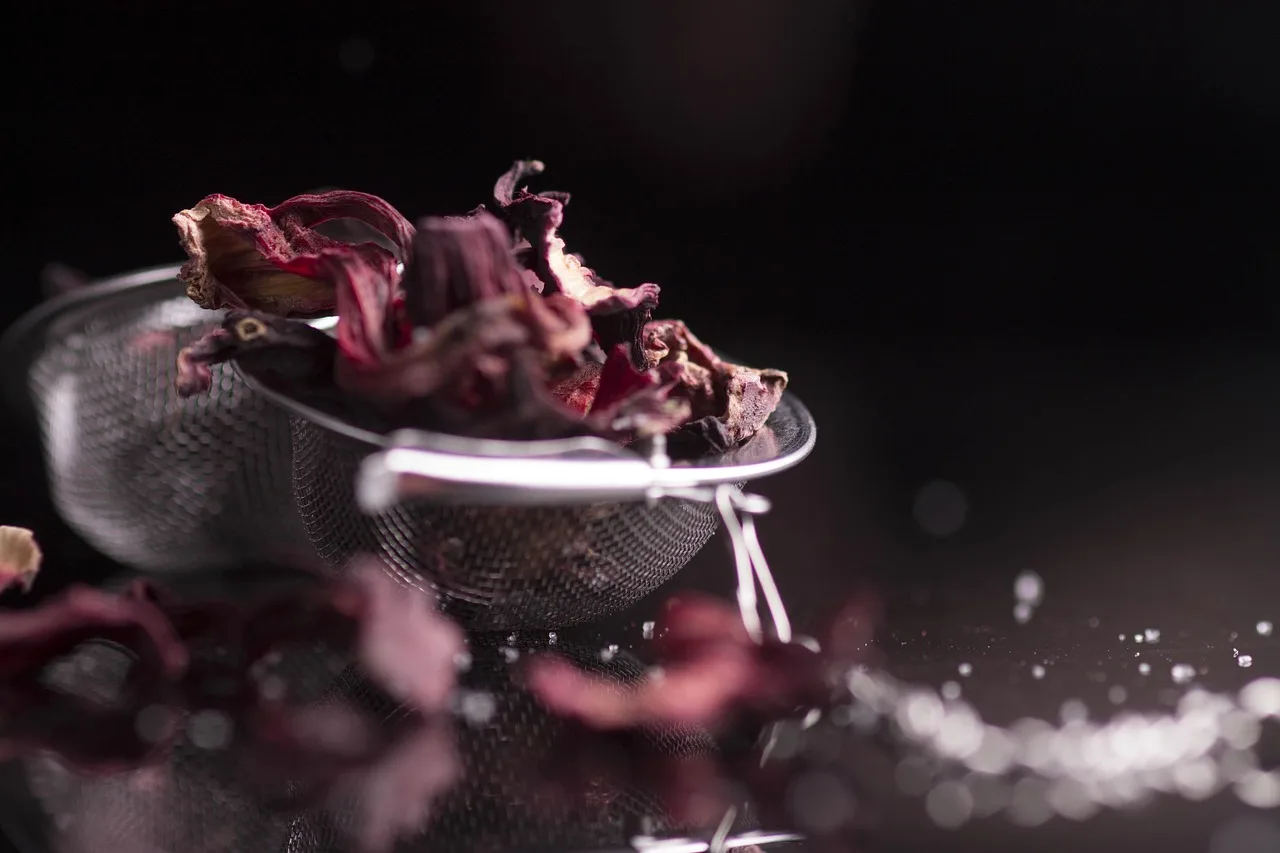
- Hibiscus-grapefruit spritz
- hibiscus infusion, grapefruit, lime and soda.
- Basil-cucumber cooler
- basil, cucumber, lemon and sparkling water.
- Ginger-cardamom fizz
- ginger, cardamom, lemon and soda.
- Rosemary-pear cooler
- pear, rosemary, lemon and sparkling water.
What to take away
- Functional ingredient claims deserve careful review before a product reaches distributors.
- Hemp-derived ingredients make testing and documentation a trade consideration.
- Savory and salted flavor builds can restore weight and length without adding sugar.
- Concentrates can ship lighter and let customers control strength, but need clear dilution instructions.
Functional claims are the sharp edge
Adding an ingredient to affect the drinker is the highest risk move available to a small producer. Cannabidiol is the clearest recent case, and FDA's warning letters to companies selling CBD in food and beverages explain its reasoning.
Such products can be mistaken for ordinary foods and drinks, risking unintentional consumption, and child-appealing forms are a particular concern.
FDA has also not found adequate information showing how much CBD can be consumed, and for how long, before causing harm. The class of statement that sits behind wording about mood or focus is described in our notes on aperitif product types.
Whatever the ingredient, the pattern repeats. A drink described by flavor is a food product. A drink described by effect invites a different set of questions.
Hemp brings a testing file with it
For alcohol beverage producers, the paperwork is explicit. TTB's hemp policy requires a formula or statement of process for any product containing hemp or a hemp component.
TTB hemp submission checklist
- Formula or statement of process
- Laboratory analysis of hemp component
- THC detection addressed
- Amount detected, or none detected
- Lowest detectable level stated
Submit that with a laboratory analysis of the component, specifically addressing tetrahydrocannabinol detection. The report must state the amount detected or that none was detected, plus the lowest level the lab could detect.
That last requirement is the one small producers miss. A clean result is not enough on its own without the detection limit that produced it.
Savory and salted: a useful flavor direction
Salt, umami and vegetal bitterness can restore weight and length to alcohol free drinks without adding sugar, and savory ingredients can work in bar programs. Celery, tomato water, seaweed, miso and roasted vegetable stocks offer starting points for those builds.
Savory products are harder to sell cold on a shelf and easier where someone can explain them. Retailers who take them on usually pair them with a serve suggestion on the shelf edge.
A customer who has no idea what to do with a tomato and seaweed base will not buy one twice, however good it is. What to serve alongside one is set out in our aperitif pairing notes.
Concentrates offer a different trade format
Concentrates take shelf space
Advantages
- Freight cost per serving is much lower, which matters for small brands shipping nationally.
- Shelf life is usually longer, so a slow seller costs the retailer less.
- Customers control strength, which suits a category where preferences vary widely.
Drawbacks
- The trade off is instruction. A concentrate sold without a clear ratio gets made badly once and never repurchased.
Behind all of this, the underlying ingredient choices are unchanged, and our botanical directions guide covers what each family actually does. The buying side is set out in how shops and bars choose.