Reviews
Part of Alcohol free drink mistakes: labels, storage and safety
6 parts of alcohol free drink mistakes, explained
Why alcohol free tastings produce misleading results, from palate fatigue and price bias to dirty glassware, and how to run one that tells the truth.
A bad tasting produces confident wrong conclusions, which is worse than no tasting at all. People walk away certain they dislike a whole style when what they disliked was the fifth sample of the evening, poured warm, against a bottle three times the price.
What to take away
- Six samples is a limit, not a target. Fatigue arrives faster without alcohol to slow the pace.
- Price knowledge distorts scores more than any other single factor.
- Comparing directly against an alcoholic version tells you almost nothing useful.
- Glassware and hands are part of the method, not housekeeping.
Mistake one: too many samples
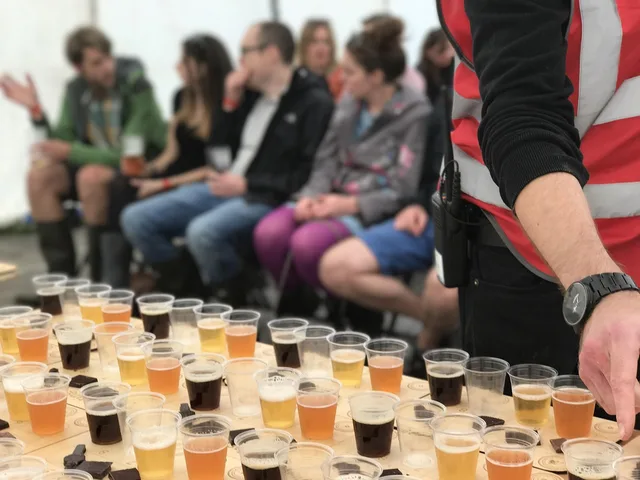
Bitter and acidic drinks fatigue a palate quickly, and there is no alcohol slowing the drinking down. By the fifth or sixth sample, scores compress and everything starts tasting similar. Stop at four when the samples are assertive.
Palate fatigue cutoff
4 samples maximum when assertive
Last two within half a point
First two clearly separated
Rescore final pair another day
The tell is that the last two samples score within half a point of each other while the first two were clearly separated. When that happens, the session ended before you noticed. Rescore the final pair on another day rather than trusting the numbers you already wrote.
Mistake two: letting price into the room
Everyone believes they are immune to this. Nobody is. Cover the labels, have someone else pour, and reveal after scoring. If that is impossible, at least score before discussing, since the first opinion spoken aloud sets the rest of the table.
Packaging works like price: a heavy bottle with a wax seal buys goodwill the liquid has not earned. A plain screw cap loses goodwill it did not deserve to lose.
Both effects survive people knowing about them, so covering the bottles beats resolving to be objective. A venue testing its own drafts meets this problem in sharper form, which our notes on blind testing a menu draft cover.
Mistake three: the head to head against alcohol
Tasting a dealcoholized wine directly beside its full strength equivalent is the fastest way to produce a disappointing evening. Alcohol supplies weight and heat, and its absence is all anyone will notice. Compare zero proof products against each other, where the real differences are large and interesting.
Mistake four: uncontrolled conditions
- Different temperatures across samples, which changes perceived sweetness.
- Different dilutions, which measures water rather than the drink.
- Different glass shapes, which changes aroma delivery.
- A flavored palate cleanser, which contaminates everything after it.
Mistake five: treating hygiene as optional
A tasting means shared bottles, cut fruit and ice, with hands moving among all three.
CDC's hand hygiene questions and answers gives the standard advice. Studies show scrubbing for 20 seconds removes harmful germs and chemicals. Soap and water worked into a lather trap and remove germs. Wetting hands first makes a better lather than soap on dry hands.
A bar meets the same requirement at a busier station, which our stocking and hygiene checklist covers. Twenty seconds before pouring is not fussiness. It is the difference between a tasting and an incident.
Mistake six: mishandling live products
A fermented product in the lineup needs different treatment. TTB guidance on kombucha labeling explains how the category is treated once a threshold is crossed.
Kombucha at 0.5 percent alcohol by volume or more must carry the health warning statement required by the Alcoholic Beverage Labeling Act of 1988. That holds even if the product is also subject to Federal Alcohol Administration Act labeling requirements.
For a tasting, the practical version is to keep live products refrigerated until they are poured, open them last, and read the label rather than assuming.
The full method for a comparison sits in our beginner's tasting guide, and the wider corrections are in the guide to avoiding common errors.