Reviews
Part of Zero proof beverages cost: a budgeting framework to fill in
Zero proof beverages tasting: shared bottles, group sessions, and label clues
Plan a zero proof beverages tasting with shared bottles, a group scorecard, label cues for sweetness and alcohol content, and safe serving practices.
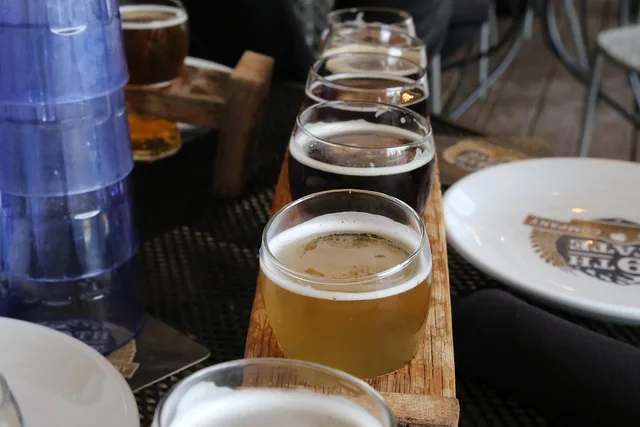
This guide covers zero proof beverages tasting: a shared group session lets people sample several bottles, compare label predictions with what is in the glass, and record what they learn. It is a practical way to explore the category without buying every bottle individually.
What to take away
- Sharing bottles lets the group sample more styles without everyone buying every bottle.
- Pour small samples into clean glasses; store opened bottles according to label directions so nothing is wasted after the session.
- The Nutrition Facts panel and ingredient list offer clues about sweetness and flavor, but tasting tests the guess.
- Write down conclusions the same evening. Nobody remembers a sixth sample by morning.
Run it as a group
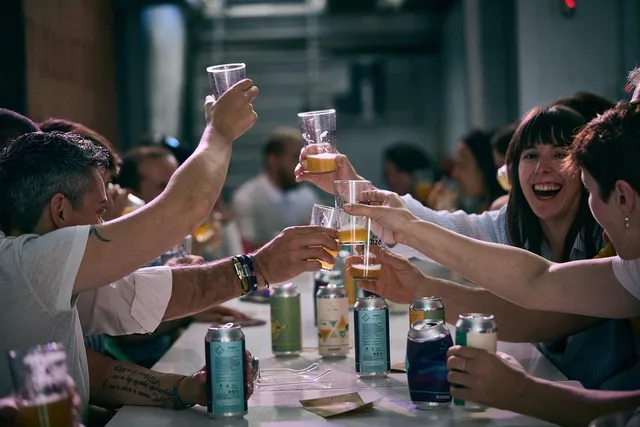
Six bottles split four ways is a fraction of what six bottles cost one person, and it produces a better result because opinions vary. Ask each person to bring one bottle in a style nobody else is bringing, which also removes the awkwardness of everyone arriving with the same well reviewed product. Possible styles include a botanical aperitif, a dealcoholized wine, or a spirit alternative. Keep samples small, and serve each drink according to the bottle's guidance.
A lineup could include St. Agrestis Phony Negroni, Ghia Original Aperitif, Surely Sparkling Rosé, and Ritual Zero Proof Gin Alternative. The set gives tasters a bottled cocktail, aperitif, wine-style pour, and spirit alternative; check each current label for ingredients and stated ABV rather than assuming the style tells you. As practical defaults, serve the Phony Negroni and Ghia chilled in small stemmed glasses, Surely Sparkling Rosé well chilled in wine glasses, and Ritual in small tasting pours neat or mixed as directed on its label.
Group Tasting Setup
- Agree styles in advance
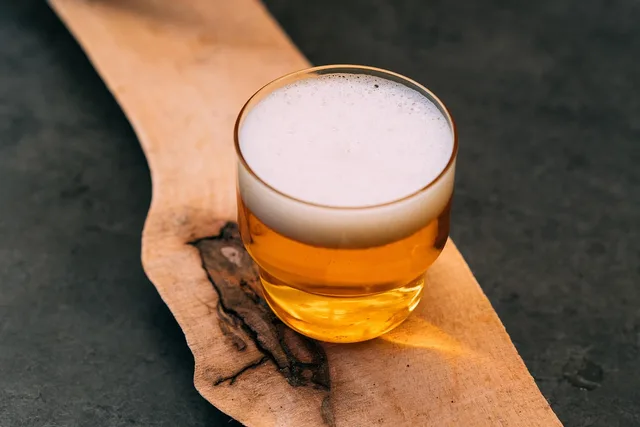
- Pour 30-40 ml per sample
- Taste neat, then with mixer
- Keep shared score sheet
- Decant and split leftovers
Predict from the label first
Before opening anything, read the panel and guess. FDA's overview of what is on the Nutrition Facts label explains the layout.
The 2016 update was the first major revision in more than twenty years. Servings per container and serving size appear in large bold type. Serving sizes were updated to reflect the amounts people typically eat and drink. The serving size is not a recommendation. For taste prediction, compare total sugars and added sugars per serving, checking serving size first so you are comparing like with like.
Guessing from the panel, then tasting, is the fastest way to build a mental model of this category. Within one session, most people can tell a high sugar aperitif from a dry one before it is poured. Read the ingredient list for juice, sweeteners, tea, herbs, or vinegar; these can offer clues about the drink's flavor direction. Check the alcohol statement and any stated ABV directly. Terms such as “dealcoholized” and “distilled botanicals” point to different bases or processes, but do not replace the alcohol statement.
Keep the session safe and practical
A tasting is food service, however informal. FDA's everyday food safety guidance gives four steps: clean, separate, cook and chill. Each step has its own tip sheet, plus more material for eating away from home. This is general food-handling advice, not a drink-specific tasting protocol; for a beverage session, clean and chill are the most relevant steps.
For a drinks tasting, clean and chill do most of the work: wash glassware and hands, keep cut citrus cold, and return open bottles to the refrigerator between rounds, not a warm table. Keep clean glasses separate from used ones, and chill drinks that are meant to be served cold.
Offer water, let tasters skip anything they do not want to try, and reveal the bottles after scoring if you want people to judge the drinks without label expectations.
What to record
Score sweetness, bitterness, acidity, and whether you would buy it, in that order, then add one sentence about what the drink would be good with.
A month later, that sentence will be more useful than the scores: it tells you what the bottle is for. Note possible pairings, such as a bitter aperitif with salty snacks or a tart drink with richer food. Our pairing notes provide another starting point.
Keep the sheets. Three sessions apart, patterns appear that a single evening cannot show: one person consistently rates bitterness higher than everyone else, or bottles from a similar style score alike. Both are useful, and both are invisible without a record. A shared document costs nothing and turns four scattered evenings into something closer to a reference.
When you are ready to buy, compare serving size, ingredients, the alcohol statement, and bottle price rather than relying on the front label alone. The purchase decisions that follow are covered in our value buying notes, and the wider arithmetic sits in the budgeting guide.