Reviews
Part of Zero proof beverages cost: a budgeting framework to fill in
Zero proof beverages storage: practical habits
Zero proof beverages storage: mark openings, size batches, keep the cold chain, prepare for outages and read sell-by dates in context.
Waste is the largest avoidable cost in this category, at home and behind a bar, and zero proof beverages storage is where most of it is saved or lost. Nothing else on the budget can be improved by twenty percent with a marker pen and a shelf plan. Storage is where the money is.
What to take away
- Write the opening date on the bottle. It costs nothing, takes seconds, and makes every other habit here possible.
- Keep what belongs cold at 40 degrees Fahrenheit or below. Alcohol-free drinks have no alcohol to slow spoilage, so the refrigerator does more work in this category than behind a full-strength bar.
- Size the batch to the week, not the recipe. A large batch of syrup or infusion is a bet on demand that drinks rarely win.
- Prepare for a power failure. Chilled stock is only as reliable as the electricity, and preparing for it costs almost nothing.
- Treat a sell by date as one kind of information, not all of it. Reading dates correctly keeps sound bottles out of the bin.
Which zero proof bottles need the cold chain
Alcohol is a preservative. It slows the microbes and the oxidation that turn a drink flat, sour or stale, and when it is stripped out the same recipe becomes a shorter-lived product. That is why storage matters more here than it does behind a full-strength bar.
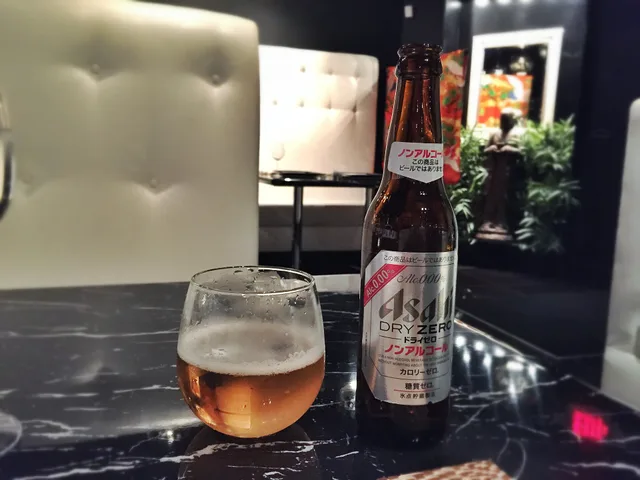
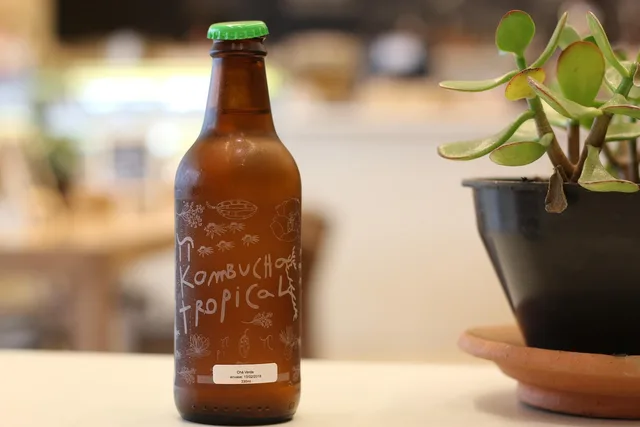
De-alcoholized beer and wine sit at the fragile end. They have lost most of the protection along with the alcohol, so an opened bottle belongs in the refrigerator and should be handled like a perishable food rather than a spirit. Kombucha keeps fermenting in the bottle, so it stays cold too, with the cap tight, or it will go flat and sour.
Syrups, cordials and infusions are more forgiving. Sugar and acid do part of the work alcohol would have done, so an unopened bottle often holds on a shelf, but once it is open the label's instruction is the one that counts. Concentrates are the most stable of the lot.
Carbonation has its own rule. A sparkling zero proof drink loses its fizz faster when it is warm, so keep those bottles cold and capped. A still drink has no gas to lose, but it still oxidizes. When the label says nothing at all, treat the bottle as perishable.
Size the batch to the week, not the recipe
Most home and bar recipes for syrups, cordials and infusions make more than the maker will use. That habit comes from cooking, where one batch feeds a table, but drinks are consumed one at a time, unevenly, over weeks.
Concentrates are taking shelf space from ready-to-drink formats, a shift buyers are noticing in botanical drink trends.
Batch sizing rules
- Track actual weekly usage for a fortnight
- Make one week of stock, not four
- Halve recipes that exceed one liter
- Keep one base for several drinks
Write the date on the bottle
Rotation is a discipline, not a system. A marker pen on the label with an opening date is the whole method, and it settles arguments about whether something is fine. Without it, everyone guesses, and the guess is always optimistic on a busy night.
Add the discard date beside the opening date, not expecting anyone to calculate it. A bottle marked opened 4 March, discard 18 March needs no math at eleven at night and removes the negotiation a single date invites.
For a side-by-side check of how an opened bottle changes over time, see our aperitif flight method.
Prepare for the power going out
Chilled stock is only as reliable as the electricity supply. CDC's guidance on keeping food safe after a disaster or emergency gives a preparation list that costs little.
Keep appliance thermometers in the refrigerator and freezer. Set the refrigerator to 40 degrees Fahrenheit or below and the freezer to 0 degrees or below.
Freeze containers of water and gel packs in advance. Keep a cooler ready in case food has to be moved.
Dry ice or block ice helps if an outage looks long. The same guidance closes with the rule that matters most on a drinks shelf: if you are unsure whether something is safe after an emergency, throw it out. That costs money once and saves it repeatedly, because a doubtful batch served to a guest is a much larger problem than a discarded one.
How date labels guide storage decisions
Waste often comes from misreading dates. FDA's guidance on surplus, salvaged and donated foods says an expired sell by date does not necessarily mean food has gone bad or is unsafe. A Federal Register date-labeling notice says FDA and FSIS recommend voluntary use of “Best if Used By,” which signals that quality may decline after that date while food may still be consumed; current federal regulations do not prohibit truthful, nonmisleading alternatives such as “Sell By” or “Use By.”
Surplus outlets keep good food from being wasted when it has been handled safely. The same guidance draws the line at damage: a compromised container, whether a dented can of syrup or a bottle with a cracked cap or a swollen lid, can let bacteria in.
For a drinks shelf, that translates into two habits. Do not discard on a sell by date alone if storage has been correct, and do discard anything whose packaging integrity is in doubt, whatever the date says.
Track what you discard alongside what you buy; the zero-proof beverage budgeting guide can help keep the arithmetic visible. To compare retained drinks by flavor, use a low-cost tasting method.