Features
Part of 14 botanicals for alcohol free drinks, grouped by function rather than plant family
Six ways to get real botanical flavor into a glass at home
Six ways to get botanical flavor into a glass at home, what each method is good at, and the food safety steps that keep a homemade batch usable.
Choosing a botanical is the easy half. Getting its flavor into a glass is where results diverge, because the same plant gives very different drinks depending on temperature, time and what it is steeped in. These six methods cover almost everything a home kitchen can do without equipment.
What to take away
- Heat extracts quickly and loses the volatile aromatics that make a drink smell alive.
- Cold extraction keeps aroma and takes patience, usually overnight.
- Sugar and acid both pull flavor out of plant material without any heat at all.
- Anything you make at home is a perishable food, so treat the batch accordingly.
Six methods and what each is for
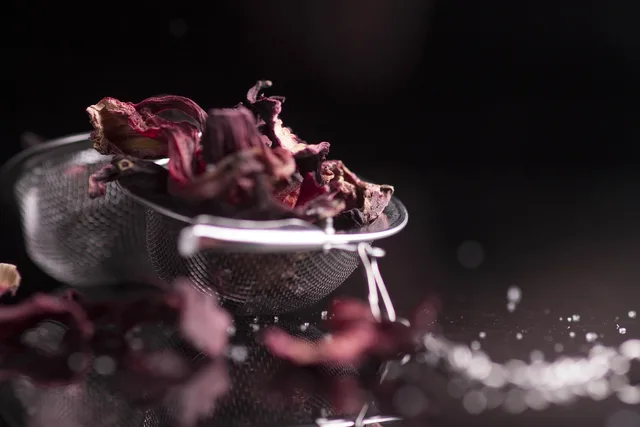
- Hot infusion. Near boiling water over leaves or seeds for a few minutes. Fast, good for tannin and bitterness, poor for delicate aromatics.
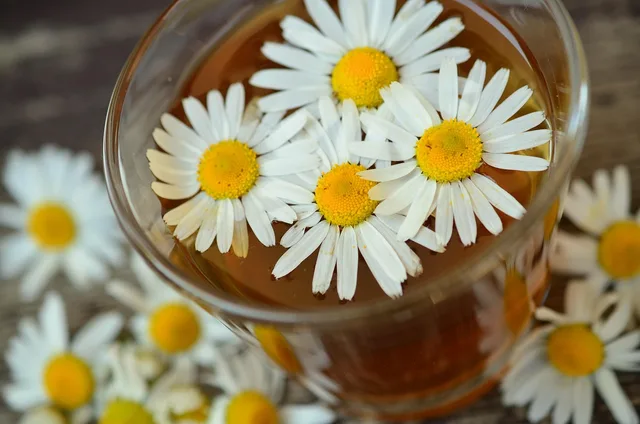
- Cold infusion. The same material in cold water for eight to twelve hours in the refrigerator. Slower, cleaner, and much better at keeping top notes.
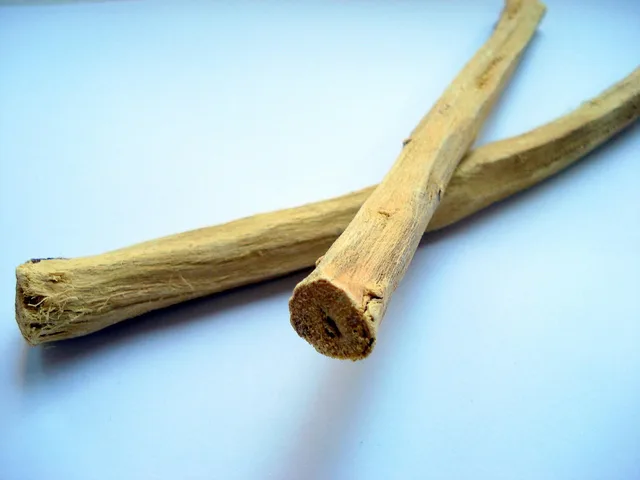
- Decoction. A gentle simmer for roots and barks, which will not give up much in a short steep. Expect earthy depth and color.
- Oleo saccharum. Citrus peel buried in sugar for several hours, which draws out the aromatic oil and makes a syrup with no cooking at all.
- Shrub. Fruit or herbs steeped with sugar and vinegar, producing acidity and preservation together.
- Quick pickle brine. A savory route that gives salinity and acid, useful for tomato, celery and cucumber drinks.
Match the method to the material
Hard material gives up flavor slowly. Roots, barks and seeds want heat or long contact. Soft material gives up flavor fast and loses it just as fast, so leaves, flowers and citrus peel want cold contact and a short window before use.
Heat or Cold?
Can you smell it strongly from the jar?
cold contact, short window
heat is doing something useful
A practical rule: if you can smell it strongly from the jar, do not heat it. If you cannot smell it at all until it is warm, heat is doing something useful.
Keep the batch safe
Everything on that list is a perishable food. CDC's guidance on preventing food poisoning organizes this into four steps: clean, separate, cook and chill. It lists the categories most likely to carry harmful germs, among them raw or undercooked sprouts, unwashed fruit and vegetables, cut melon, and unpasteurized juice or cider.
Home infusions touch several of those at once. Sending house made syrups beyond the counter raises a further set of questions, which our notes on shipping a venue's own production cover.
FDA's collected advice on food safety in your kitchen covers the same ground from the shopping and storage end. Its checklists carry over directly to a jar of steeping botanicals: the same chain from grocery cart to refrigerator. Sizing a batch to the week rather than to the recipe is covered in our notes on batch size and rotation.
- Label every jar with contents and the date it was made.
- Refrigerate cold infusions from the moment they are made, not after straining.
- Strain out solids once extraction is done, since plant material left in continues to change the flavor and adds surface for spoilage.
- Make small batches. A liter of syrup that lasts three weeks is worse than a cup that lasts three days.
Fitting the method to a drink
Building a drink usually means combining two methods: something bitter from a decoction, something bright from a cold infusion, and acid from a shrub or fresh citrus. The botanical directions guide explains what each family contributes, and comparing your own results is easier with the home tasting method.