Features
14 botanicals for alcohol free drinks, grouped by function rather than plant family
Fourteen botanicals for alcohol free drinks, grouped by bitter, aromatic, astringent and savory roles, with notes on food use status and caffeine.
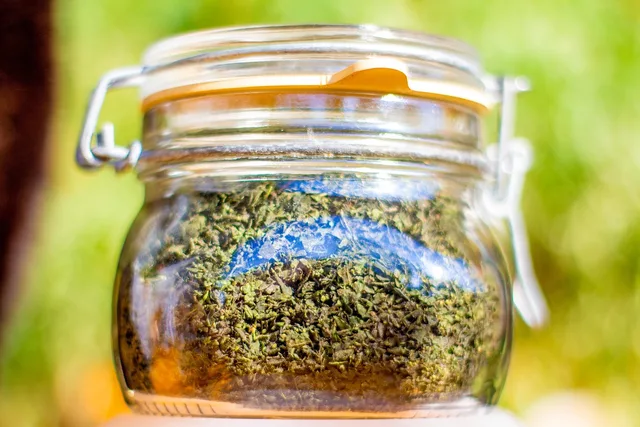
Botanicals are how an alcohol free drink gets structure. Without alcohol there is no heat, no weight from ethanol and no long finish, so bitterness, aroma and astringency have to come from plants. These fourteen directions are grouped by what each family actually contributes, rather than by fashion.
What to take away
- Group botanicals by function, not by origin. Bitter, aromatic, astringent and savory each solve a different problem.
- Any substance intentionally added to food is a food additive unless its use is generally recognized as safe, which sets the boundary on what belongs in a drink.
- Several popular botanicals carry caffeine, and the total across a session adds up quickly.
- Start with one botanical per drink. Blends are easier to build once you know what each part does.
Bitter and root led
- Gentian root, for a clean bitterness that arrives late and holds.
- Dandelion root, roasted, for an earthy bitterness with coffee character.
- Chicory, which gives bitterness plus a faint sweetness that softens it.
- Burdock, for a woody, mineral bitterness that suits savory serves.
Aromatic and top note
- Juniper, the reference point for anyone approaching a botanical spirit.
- Coriander seed, which lifts citrus without adding acid.
- Lemon verbena, for a bright green aroma that fades fast and needs a late addition.
- Cardamom, used sparingly, for warmth without heat.
Astringent and structural
- Black or green tea, for tannin that mimics the grip of wine.
- Rooibos, for body and color without tannin bite.
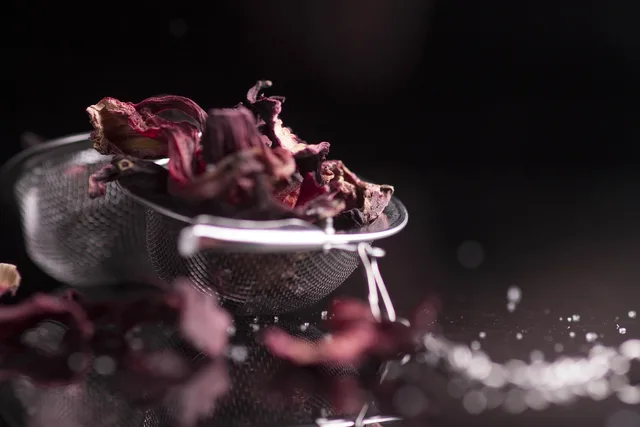
- Hibiscus, for acidity, color and a drying finish in one ingredient.
Savory and unexpected
- Celery leaf, which reads as salinity and pairs well with tomato and citrus.
- Fennel seed, for a rounded anise that sits under other aromatics.
- Sichuan pepper, for a tingling sensation that stands in for alcohol warmth.
What decides whether a plant belongs in a drink
Culinary tradition isn't the test. FDA's explanation of generally recognized as safe status sets the framework.
Under the Federal Food, Drug, and Cosmetic Act, any substance intentionally added to food is a food additive subject to premarket review and approval. The exception is a substance qualified experts generally recognize as safe for its intended use, or one otherwise excepted.
FDA proposed a rule in August 2026 to strengthen oversight of substances marketed on a claimed safe status, so this area is still in motion. Which additives have to be named on a label rather than merely declared is covered in our notes on reading an aperitif label.
The practical version for anyone building drinks: use plant material sold for food use, from a supplier who can say what it is, and leave foraged or ornamental material out.
Caffeine adds up faster than expected
Tea, mate, guayusa, cacao and coffee carry caffeine. FDA's consumer guidance on how much caffeine is too much cites 400 milligrams a day, about two to three 12-ounce cups of coffee.
For most adults, it is not generally linked to negative effects, and the guidance notes wide variation in how sensitive people are and how fast they clear it. Making that visible on a shelf rather than a back label is part of our retail checklist for these products.
A tea led aperitif followed by a cacao nib digestif is not an obvious caffeine load, but it is one. Worth listing on a menu.
Turning these into actual drinks is a matter of technique, which our preparation methods cover, and comparing your results is easier with the home tasting method.
Common questions
How many botanicals should one drink contain?
Can dried botanicals replace fresh ones?
Is stronger bitterness always better?
Where should someone start?
In this guide
- What a botanical drink label can hide: flavors, blends, sugarBefore paying more for botanical drink ideas, decode the label: what natural flavor covers, which ingredients are blends, and when a sweetener term means sugar.
- Botanical drink ideas retail checklist: what to verifyA botanical drink ideas retail checklist: verify FDA filings, compliant labels, allergens, storage, permits, imports and supplier records before stocking.
- Botanical drink ideas trends: four trade considerationsBotanical drink ideas trends: four trade considerations, with floral, herbal and savory flavor builds plus notes on claims, hemp testing and concentrates.
- Six ways to get real botanical flavor into a glass at homeSix ways to get botanical flavor into a glass at home, what each method is good at, and the food safety steps that keep a homemade batch usable.
- Botanical Drink Ideas Tasting at Home, One Standard at a TimeBotanical drink ideas tasting at home: build single-botanical reference standards, fix every variable, and score each alcohol-free sample one to five.