Reviews
Part of 14 botanicals for alcohol free drinks, grouped by function rather than plant family
Botanical Drink Ideas Tasting at Home, One Standard at a Time
Botanical drink ideas tasting at home: build single-botanical reference standards, fix every variable, and score each alcohol-free sample one to five.
Botanical drink ideas tasting at home usually fails for one reason: too many variables move at once. Different dilutions, different temperatures, different glasses, and a palate that has already had four bitter things. Fixing that takes no equipment, only a method. The drinks here are alcohol-free — the botanical spirits, aperitifs and concentrates on the zero-proof shelf, bottles such as Seedlip, Lyre's and Ghia — and comparing botanical drinks side by side is the whole point.
What to take away
- Change one variable per comparison. Everything else is fixed, including dilution and temperature.
- Build reference standards from single botanicals so you have something to compare against.
- Score before you describe, because words drift and numbers do not.
- A kitchen can rank preferences. It cannot measure composition, and it should not pretend to.
Build a reference set first
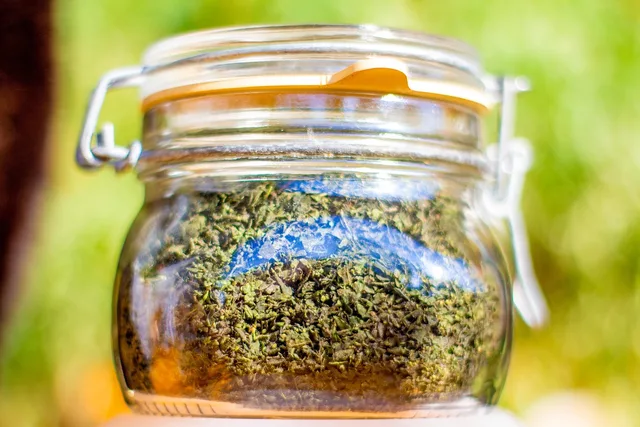
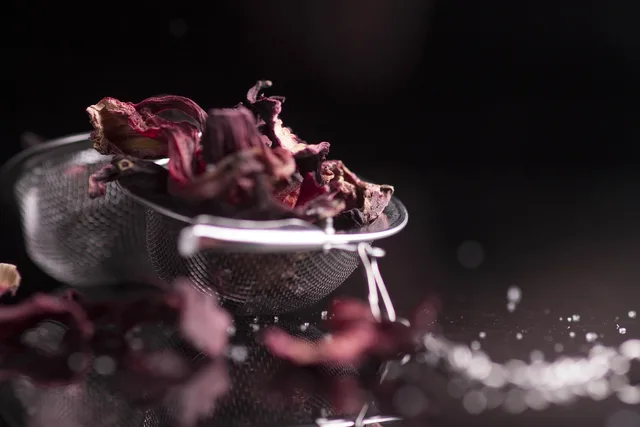
Before comparing finished products, make single botanical infusions at a fixed strength. One gram in 200 milliliters of water, cold steeped overnight, sets a usable standard for most leaves and seeds — think juniper berries, coriander seed, chamomile flowers and citrus peel.
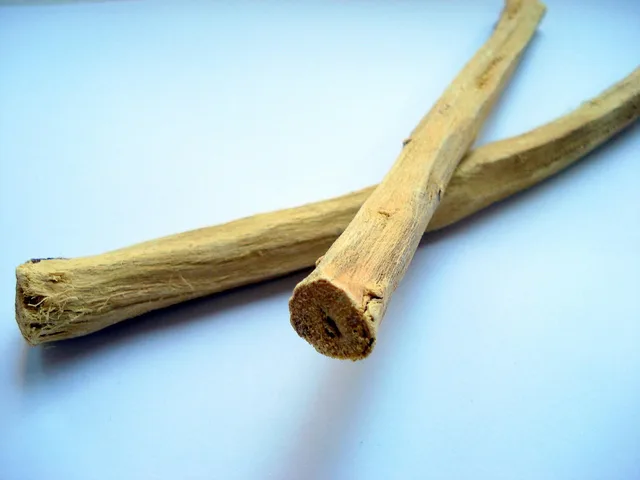
Roots and barks — angelica, gentian, orris — need a short simmer at the same weight and volume. The fixed-strength logic is the same one that keeps an aperitif flight honest, because dilution stays constant down the line.
Keep four or five of these in the refrigerator during a comparison session, because when a commercial bottle tastes of something you cannot name, the reference set usually names it.
It exposes the opposite problem: a bottle tastes of very little, and the reference makes that obvious. This is the single biggest improvement most people can make to their own tasting. It costs almost nothing beyond the jars.
Fix everything except the variable
- Same glass shape for every sample, and enough of them that nothing gets rinsed mid-flight.
- Same dilution, measured, not poured by eye.
- Same temperature, which usually means everything comes out of the same refrigerator at the same moment.
- Same volume per pour, small enough that four samples do not fatigue you.
- Water between samples, no food.
Blind the samples if you can. Cover the labels and have someone else pour. Price knowledge changes scores more than most tasters believe.
Hold everything constant
- Same glass shape, no mid-flight rinsing
- Same measured dilution, not poured by eye
- Same temperature from one refrigerator
- Same small volume per pour
- Water between samples, no food
- Blind the labels, have someone else pour
Score, then describe
Rate each sample on bitterness, acidity, aroma intensity, sweetness and length, one to five. Do the numbers first, in silence, then write words.
If you write the description first, the numbers will follow the description instead of the drink. A host running this as a service format writes the question on the card first, which is the same discipline behind a well-built tasting flight.
Five attributes is the practical limit. Adding texture, color and finish to the sheet feels more rigorous and produces worse data, because attention divides and the later columns get filled in by pattern rather than by tasting. Score five things properly rather than eight things approximately.
Compare across sessions by keeping the reference set constant. A score means very little on its own and quite a lot against the same standards a month later.
Where a kitchen stops
Home tasting cannot do what the Alcohol and Tobacco Tax and Trade Bureau (TTB) does with its laboratory methods for validating label claims. The TTB, the federal agency that regulates alcohol beverage labeling, publishes the analytical methods behind the calorie, carbohydrate, protein and alcohol statements on those labels.
The established reference methods are distillation and densitometry for alcohol, calculation for calories, difference for carbohydrates, and Kjeldahl for protein, all laboratory procedures with defined tolerances.
Nothing in a kitchen substitutes for them. A home taster can read the panel and use it. The FDA's "How to Understand and Use the Nutrition Facts Label" covers the serving information, calories, nutrients and percent daily value sections.
The top section varies by product; the footnote does not. Reading the panel before tasting tells you what to expect from sweetness, which stops a surprise from becoming a verdict.
What each standard should taste of is the point of the set: juniper reads piney and resinous, coriander seed citrusy and warm, chamomile floral and hay-like, angelica root earthy and musky, citrus peel bright and bitter. Making your own samples for comparison is covered in Botanical Drink Ideas Worth Trying, and 14 Botanical Drink Ideas Worth a Closer Look goes deeper on each botanical.
Botanical drink ideas to build from the set
The reference set is the ruler, not the drink. These are the serves to taste against it, scored on the same sheet as any bottled sample.
- Juniper and tonic.A juniper-led zero-proof spirit over ice, topped with tonic and finished with a wide strip of citrus peel. Lyre's Dry London Spirit is the obvious pour. Taste it beside the juniper reference to hear how much pine the tonic buries.
- Bitter spritz.Ghia, the bitter aperitif, over ice with soda and a slice of orange. Hold it against the gentian reference, which is where the bitter edge lives.
- Chamomile highball.Chill the chamomile reference infusion, pour it over ice, top with soda and add citrus peel. It shows how much flavor a single botanical carries on its own.
- Coriander and citrus cooler.The coriander seed reference, cold, with citrus peel and a splash of a spiced zero-proof spirit such as Seedlip Spice 94 when you want the drink to stand up to food.
Seedlip, Lyre's and Ghia are not the only bottles that work here. Monday, Ritual, Pentire, Everleaf and Wilfred's all make botanical zero-proof spirits and aperitifs worth running through the same set.
Poured small and in a fixed order, a flight of these is also the simplest hospitality format there is: guests score the serves on the same sheet as the reference samples.