Costs
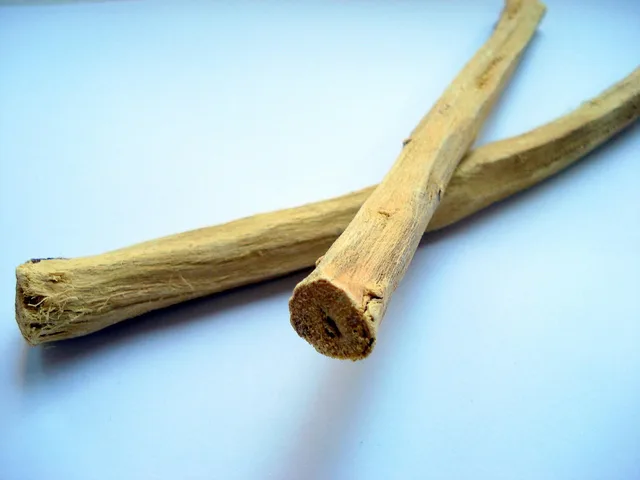
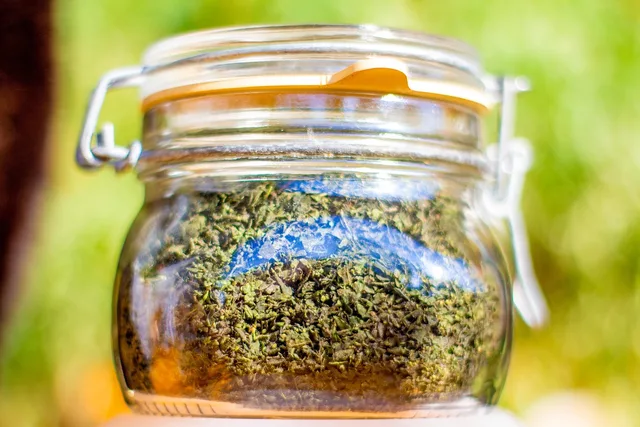
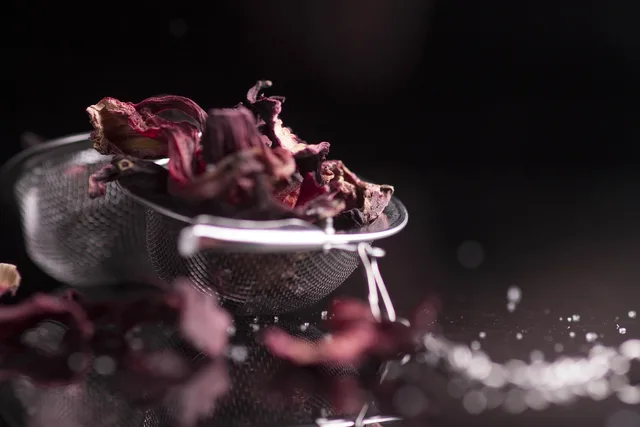
Part of 14 botanicals for alcohol free drinks, grouped by function rather than plant family
What a botanical drink label can hide: flavors, blends, sugar
Before paying more for botanical drink ideas, decode the label: what natural flavor covers, which ingredients are blends, and when a sweetener term means sugar.
Botanical drink ideas span an unusually wide price range for products that look similar on a shelf. A ten dollar bottle and a forty dollar bottle can carry the same botanical names on the front. The difference sits in how the flavor was extracted, what the ingredients actually are, and how much of the price is glass, and the label shows only part of that. For alcohol-free botanical bottles, where the plants carry all the flavor, three label entries deserve a close read: natural flavor, compound ingredients such as a botanical blend, and the sweetener.
What to take away
- Extraction method is the largest cost driver, and it is rarely stated on the label.
- An ingredient name can describe a single plant or a compound preparation, and those cost very different amounts.
- Packaging can account for a large share of a premium bottle's price without changing the liquid.
- A cheaper bottle is not a worse choice if you plan to dilute it heavily.
What the label rarely shows: extraction, grade and glass
Low price bottle
- Flavor source
- Purchased flavor compounds
- Botanical grade
- Commodity grade, blended lots
- Process
- Cold blending
- Packaging
- Standard glass, single color label
- Batch size
- Large runs
Higher price bottle
- Flavor source
- Distillates and extracts made to order
- Botanical grade
- Specified origin and harvest
- Process
- Distillation, maceration, multiple steps
- Packaging
- Heavy glass, coated finish, custom closure
- Batch size
- Small runs with higher unit overhead
None of these is a quality guarantee on its own. Heavy glass improves nothing in the mouth. But distillation and specified botanicals do change the liquid, and they cost real money. The producer's own version of that table, from glass to filling, sits in our notes on what a bottle costs to make.
What Extra Money Buys
Low price bottle
- Flavor source
- Purchased compounds
- Botanical grade
- Commodity blended lots
- Process
- Cold blending
- Packaging
- Standard glass, one color
- Batch size
- Large runs
Higher price bottle
- Flavor source
- Made-to-order distillates
- Botanical grade
- Specified origin, harvest
- Process
- Distillation, maceration, steps
- Packaging
- Heavy glass, custom closure
- Batch size
- Small runs, higher overhead
Natural flavor covers more than one kind of input
The phrase natural flavor has a legal definition, but a broad one. Under FDA's labeling rule at 21 CFR 101.22, natural flavor means the essential oil, oleoresin, essence or extractive, protein hydrolysate, distillate, or product of roasting, heating or enzymolysis that carries flavoring constituents derived from a spice, fruit, vegetable, herb, bark, bud, root, leaf or similar plant material, and whose significant function in food is flavoring rather than nutritional.
A distillate made to order and a bought-in essence can both sit behind those two words. The label term alone does not tell you which one you are paying for, so ask the producer.
Ingredient names hide compound preparations
An ingredient list entry is not always one thing. TTB's guidance on ingredient specification sheets draws the line for producers: one sheet is required for each ingredient made from more than one component. Its example is a fruit juice made from water, apples and sugar.
Single component ingredients need no sheet. Those include malted barley, grapes, hops, cane sugar and spearmint.
That is a useful mental model for a shopper too. When a label says fruit juice, botanical blend or natural flavor, ask what is inside that entry. A producer who can answer in detail has usually paid for better inputs.
A label term can flatter a cheap ingredient
Sweeteners are where naming games have been most visible, and FDA's final guidance on the term evaporated cane juice states the phrase is false or misleading. It suggests the sweetener is fruit or vegetable juice and hides that the ingredient's basic nature is sugar. FDA recommends relabeling these ingredients as sugar, with a truthful descriptor if needed.
The same question about words with no defined meaning runs through our notes on aperitif subscription copy.
The lesson generalizes. A flattering name adds nothing to a drink, and a price premium built on one is not buying you anything.
How to compare fairly
- Work out cost per finished drink at the maker's stated dilution, not cost per bottle.
- Compare bottles at the same serve. A concentrate and a ready to drink product are not the same purchase.
- Discount the packaging mentally. Ask what the liquid would be worth in a plain bottle.
- Taste diluted before deciding. Some expensive bottles are built to be stretched and taste heavy when they are not.
The ingredient families behind these prices are set out in our botanical directions guide, and the trade side of the same question appears in the retail stocking checklist.