Industry
Nonalcoholic beer taste test: how panels compare styles
A nonalcoholic beer taste test compares IPA, lager and stout by bitterness, body and aroma, and explains how blind panels control a flight.
What to take away
- Blind panels tend to score nonalcoholic lager highest on clean aroma, nonalcoholic stout highest on body, and nonalcoholic IPA highest on bitterness.
- Bitterness survives alcohol removal better than aroma, which is why IPA is the style most likely to hit its target and still lose a flight.
- Body is where nonalcoholic lager loses the most points, because little remains to carry mouthfeel.
- A ranking only means something when every beer is judged against its own style guideline rather than against a favorite.
How a blind nonalcoholic beer taste test is set up
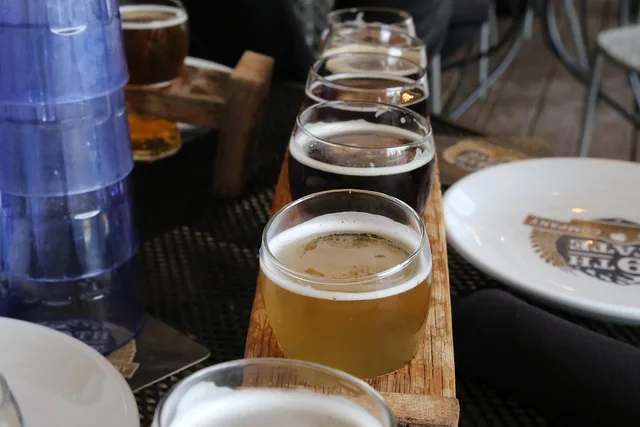
A panel that wants comparable scores controls five things before the first pour: package age, serving temperature, glassware, sample order and the scoring sheet.
Blind NA Beer Test Setup
- Buy freshest dated stock
- Chill lager 40 F, IPA 45 F, stout 50 F
- Use identical cups with random 3-digit codes
- Randomize order; reset with water and cracker
- Score bitterness, body, aroma twice
Labels are the first check. The Alcohol and Tobacco Tax and Trade Bureau (TTB) enforces US rules for malt beverages that require an alcohol statement and a statement of composition matching the liquid inside, so the can is evidence before anyone tastes.
Bitterness: the attribute that survives dealcoholization
IBU Ranges by Style
- International lager8-25 IBU
- Stout30-50 IBU
- American IPA40-70 IBU
Iso alpha acids from hops stay soluble after alcohol is removed. A nonalcoholic IPA can therefore measure inside its bitterness window and still taste hollow in the middle.
Body: where nonalcoholic stout closes the gap
Body comes from residual protein, dextrins and unfermented sugar. Dark malt adds weight of its own, which is why nonalcoholic stout usually keeps more mouthfeel than nonalcoholic lager at the same alcohol level.
Production method matters as much as grain bill. Vacuum distillation, reverse osmosis and arrested fermentation remove or prevent alcohol in different ways, and each leaves a different amount of body behind.
Aroma: hops fade before the first sip
Aroma is the most fragile attribute in a flight. Volatile hop oils escape during heating steps, so a nonalcoholic IPA can smell bright at opening and smell like almost nothing ten minutes later.
A panel that scores aroma last may rank an IPA lower than a panel that scores aroma first, even with the same beer in the same cups.
The Canadian Food Inspection Agency (CFIA) enforces Canada's own alcohol ceiling for nonalcoholic beer, which is why one recipe can carry different labels on each side of the border.
Nonalcoholic stout vs lager vs IPA: attribute comparison
Nonalcoholic stout vs lager vs IPA
NA lager
- Bitterness match
- Close
- Body
- Thin, quick finish
- Aroma
- Grainy and low
- Serving temperature
- 40 F
- Frequent complaint
- Watery
NA IPA
- Bitterness match
- Often overshot
- Body
- Light and dry
- Aroma
- Citrus, fades fast
- Serving temperature
- 45 F
- Frequent complaint
- Hollow middle
NA stout
- Bitterness match
- Moderate
- Body
- Creamiest of the three
- Aroma
- Roast, holds longer
- Serving temperature
- 50 F
- Frequent complaint
- Sharp roast note
Competitions and panels judge nonalcoholic styles differently. At the Great American Beer Festival, the Non-Alcohol Beer category is judged blind; Athletic Brewing's Run Wild IPA and Free Wave Hazy IPA have won medals there. The Beer Judge Certification Program (BJCP) writes style guidelines many US panels use.
Wirecutter's nonalcoholic beer panel named Athletic Brewing Run Wild IPA as its top pick. The same blind panel ranked Heineken 0.0 first among lagers and Guinness 0 first among stouts.
When US panels separate styles, the typical ranking range is IPA first on bitterness, lager first on drinkability, and stout first on body, with no style sweeping all three.
Freshness and the case for each style change the answer for a buyer, and the NA style comparison covers body, hop aroma and freshness in more detail.
What changes the ranking between panels
Panel makeup shifts results. A judge who drinks IPA every week scores hop aroma harder than a casual taster, so two US panels can produce different rankings from identical cans.
Order bias is just as strong. A bitter sample dulls the palate for everything after it, so a flight that opens with IPA drags down the lager and stout that follow.